Converting from Packing to the O-Pro® Guard Seal in Viking Pumps
Learn how to efficiently convert your Viking Pump from packing to the innovative O-Pro® Guard seal. Step-by-step guide with essential tips inside!
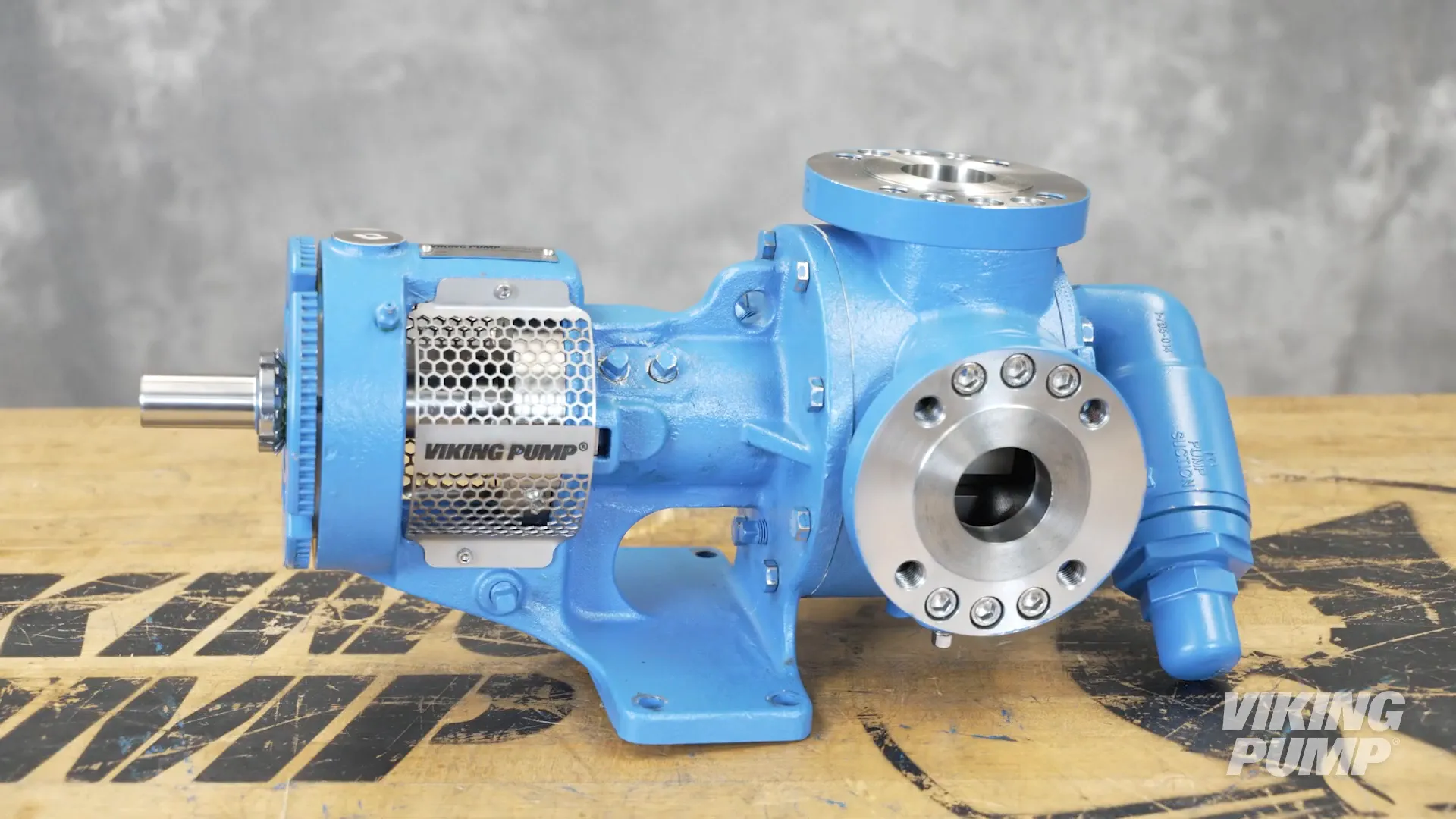
For decades, Viking Pump's Universal product line has been capable of switching between many different seal types. In this article, we'll cover the basic steps for converting your pump from packing to Viking Pump's O-Pro® Guard seal.
Before you begin, please consult the appropriate technical service manual for safety information.
Step 1: Disassembling the Pump
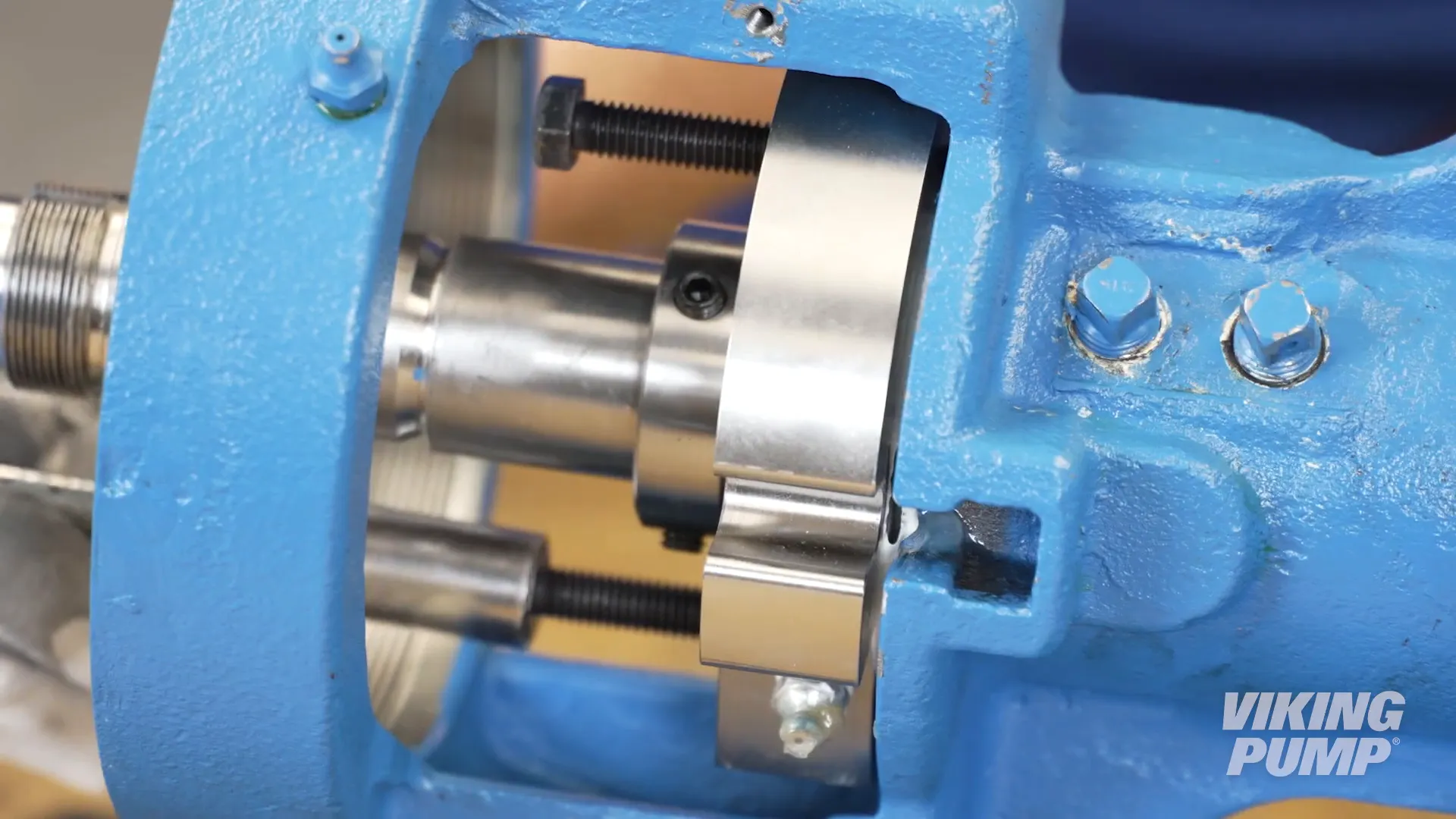
Start by removing the stainless-steel window guards from the bracket.
Gear Pump Repair: A Comprehensive Guide to Replacing O-Rings in O-Pro® Guard Seals
Discover a comprehensive guide to replacing O-rings in O-Pro® Guard seals for gear pumps. Follow our step-by-step instructions for a successful repair.
When it comes to internal gear pump repair, pumps with the O-Pro® Guard seal are straight forward. This article will walk you through easy to follow steps for replacing o-rings in an O-Pro® Guard seal specifically designed for pumps with the U-Plus™ bracket.
As always, before any work begins - make sure to read and reference the technical service manual for your pump. A copy of the latest revision can be found on the Viking Pump website.
895, 893, & 897 Series™ MagDrive Internal Gear Pump Repair
Welcome! In this video we will guide you through the disassembly and reassembly of Viking Pump’s 893, 895, and 897 Series™ mag drive internal gear pumps.
This video applies to these pump models: GG893, HJ893, HL893, AS893, AK893, AL893, GG895, HJ895, HL895, AS895, AK895, AL895, GG897, HJ897, HL897, AS897, AK897, AL897
Universal Mag Drive, The Sealless Upgrade That Prevents Leakage and Fugitive Emissions
Viking Pump invented, patented and manufactured the very first sealless mag drive rotary positive displacement (PD) pumps in the world, and developed several series over time for different applications, including the first generation 825, 895 and 855 ™ internal gear pumps.
Of these first generation mag drive pumps, all had different footprints from their dynamically-sealed cousins with...
How Pump Packing Works - Animation
Packing is one of the most common and simplest seals for positive displacement pumps. Packing consists of braided or formed rings that are compressed inside the stuffing box of a pump. As the packing gland is tightened, the packing is compressed against the shaft and the inside of the stuffing box bore - creating a seal. When the pump is operating, process liquid cools and lubricates the packing. The pump must leak or "weep" slightly to ensure proper lubrication. Packing is one of the oldest forms of shaft sealing. Original packing was made of materials such as leather or rope.
Bitumen vs Asphalt: Key Differences and Gear Pump Selection
The terms bitumen and asphalt are often used interchangeably, but they are two completely different materials, causing confusion inside and outside the industry. Throw in regional differences in meaning and language, and it’s time to set the record straight, along with tips on bitumen pump selection.
Exploring the Versatility of the U-Plus™ Bracket and ProPort™ Casing in Gear Pumps
At Viking Pump, innovation is at the forefront of what we do. With the introduction of the U-Plus™ Bracket and ProPort™ Casing, we are redefining the capabilities of our internal gear pumps. These advancements are not just about new technology; they are about providing flexibility and efficiency in your pumping process. Let’s dive into what makes these innovations stand out.
Expanded Seal Flexibility with U-Plus™ Brackets
Viking Pump’s new generation of pumps (sizes H-QS in steel and stainless steel) offer a wide array of benefits that the previous alloy pumps could not, particularly in the area of sealing flexibility. These new pumps increase the number of sealing options possible in one pump, while at the same time reducing cost and lead times.
All You Need to Know About ProPort™ Casings
Viking Pump’s new generation of internal gear pumps offer a wide array of benefits that the previous alloy pumps could not, particularly in the area of porting flexibility. These new pumps reduced the number of casing configurations, which helps reduce manufacturing complexity, cost and lead times, while at the same time increasing the number of porting options and providing greater porting flexibility.