Rotary Lobe Pump Features | Classic+ Series™

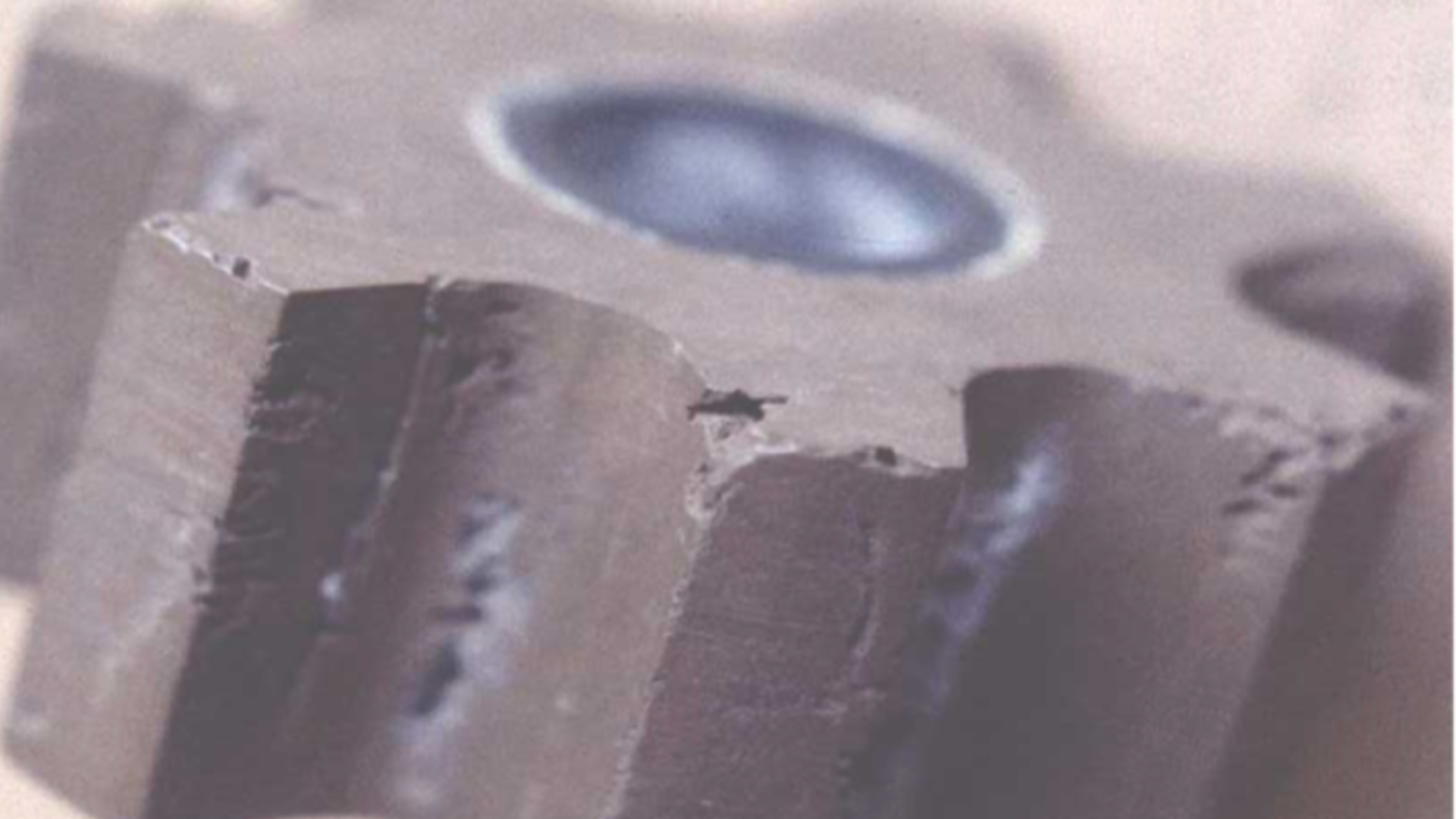
The Classic+ Series™ features a stainless-steel casing and rotors that are finished to 3A sanitary standards. The modular design can be easily disassembled for both clean-in-place and clean-out-of-place processes. Cusps in the casing's profile maximize efficiency and draining." This series has timed, non-contacting rotors - which minimize shear while providing extended dry run capability.

pressure gauge

Current and Flow: An electrical engineer’s guide to the concepts of fluid systems

Search Description

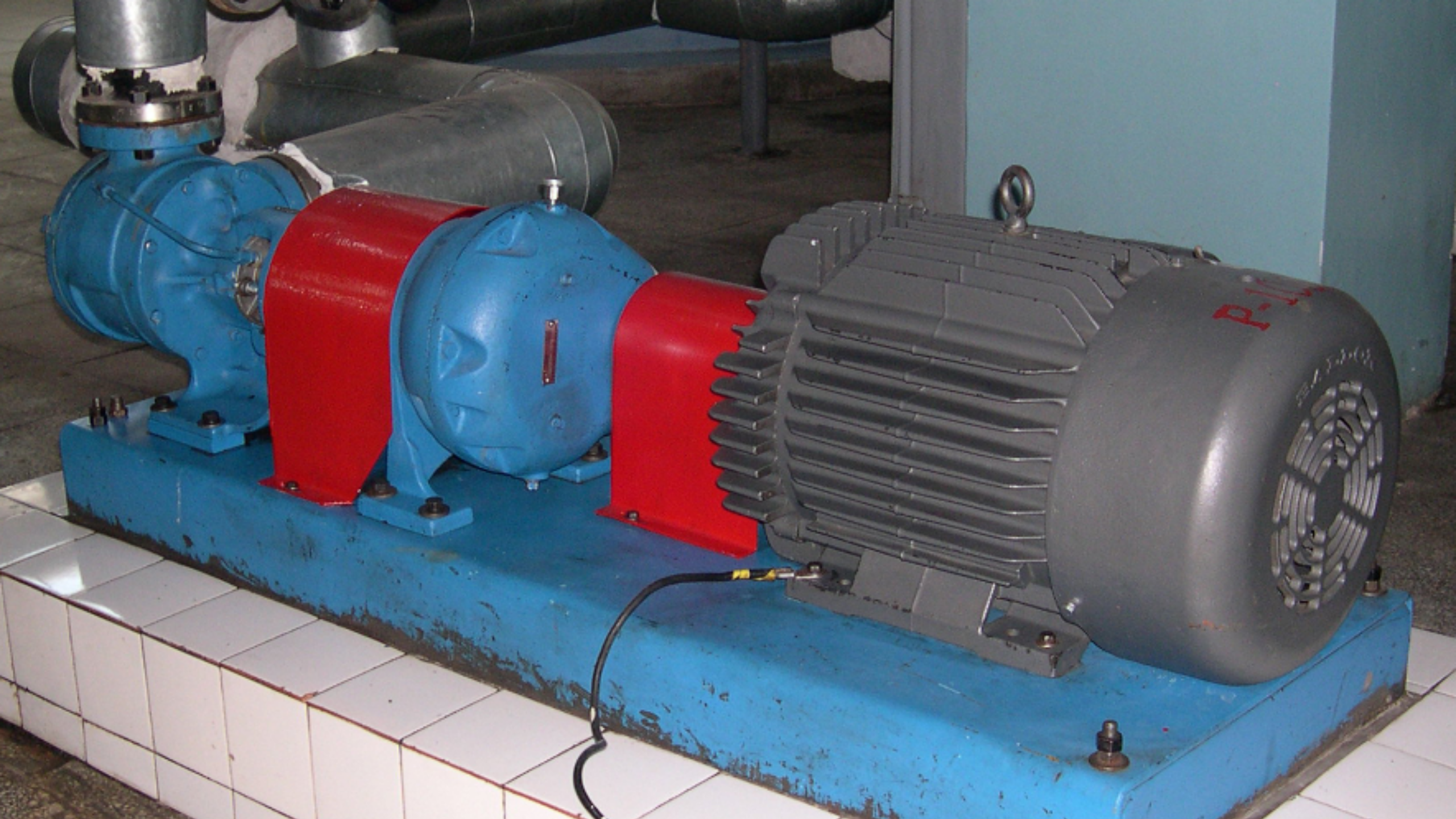
Unlike most of my colleagues I didn’t start out with a mechanical background.  While they were studying kinetics and machine design, I was studying digital electronics and industrial power.  When I started my career in the world of pumps, I had to learn a whole new set of concepts.  What was surprising was that while the terminology may be a bit different, the concepts are very similar.  Think of the following as a “Rosetta Stone” for translating the common terms and concepts of fluid systems to your more familiar terms and concepts of electrical systems.

Chemical tanker truck

Chemical Transportation Company Saves Time with RTPe Series™

Search Description

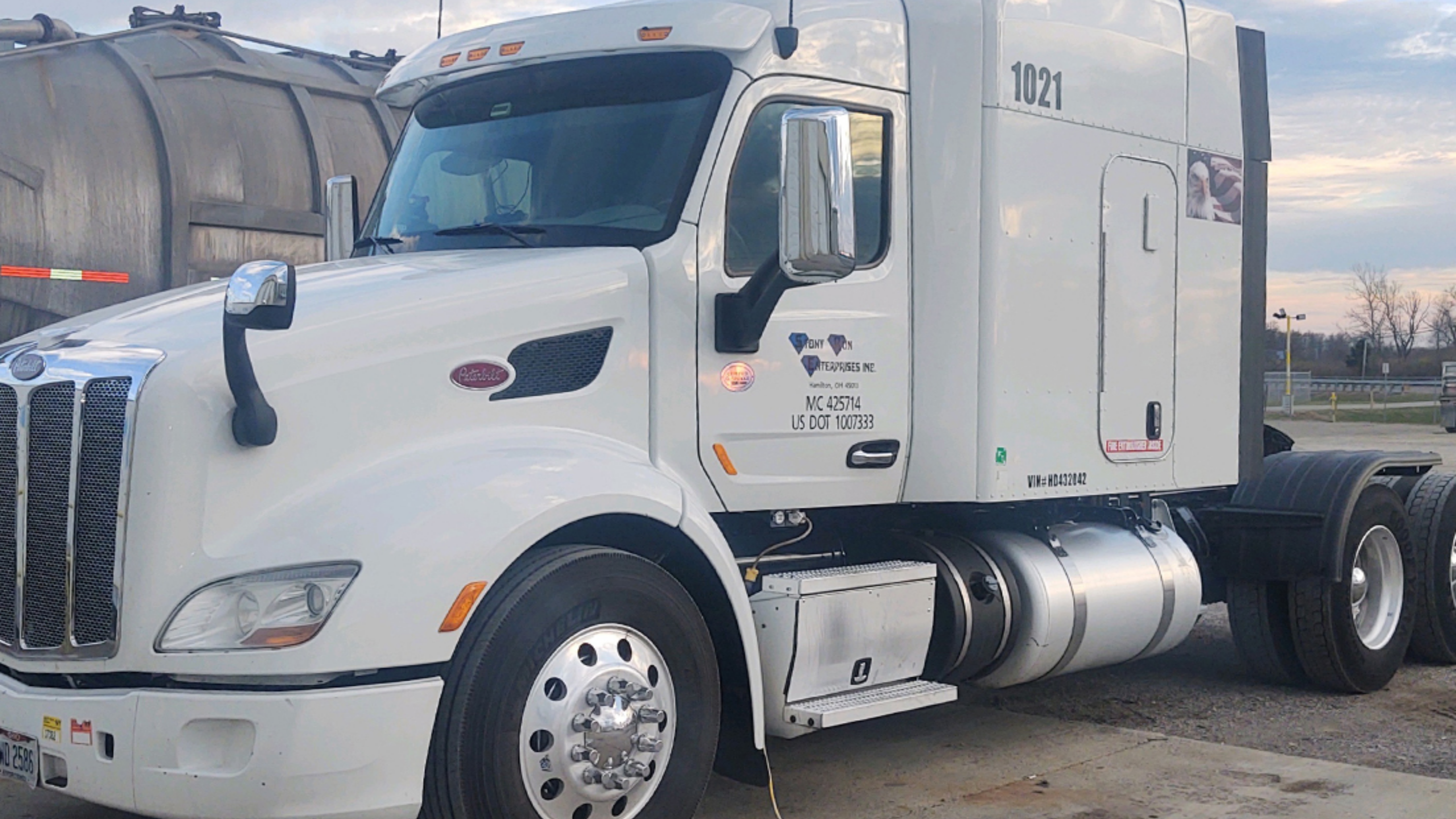
With today’s fast-paced supply chain demands, it is essential that tanker truck systems can unload contents quickly to ensure timely delivery for optimum manufacturing efficiency. Stony Run Enterprises Inc., a family-owned trucking enterprise located in Hamilton, Ohio, understands this sense of urgency with its commitment to transport multiple types of products with “speed, safety, and professionalism.”

Directional name plate on a pump

It Flows Both Ways: a guide to running an internal gear pump in reverse

Search Description

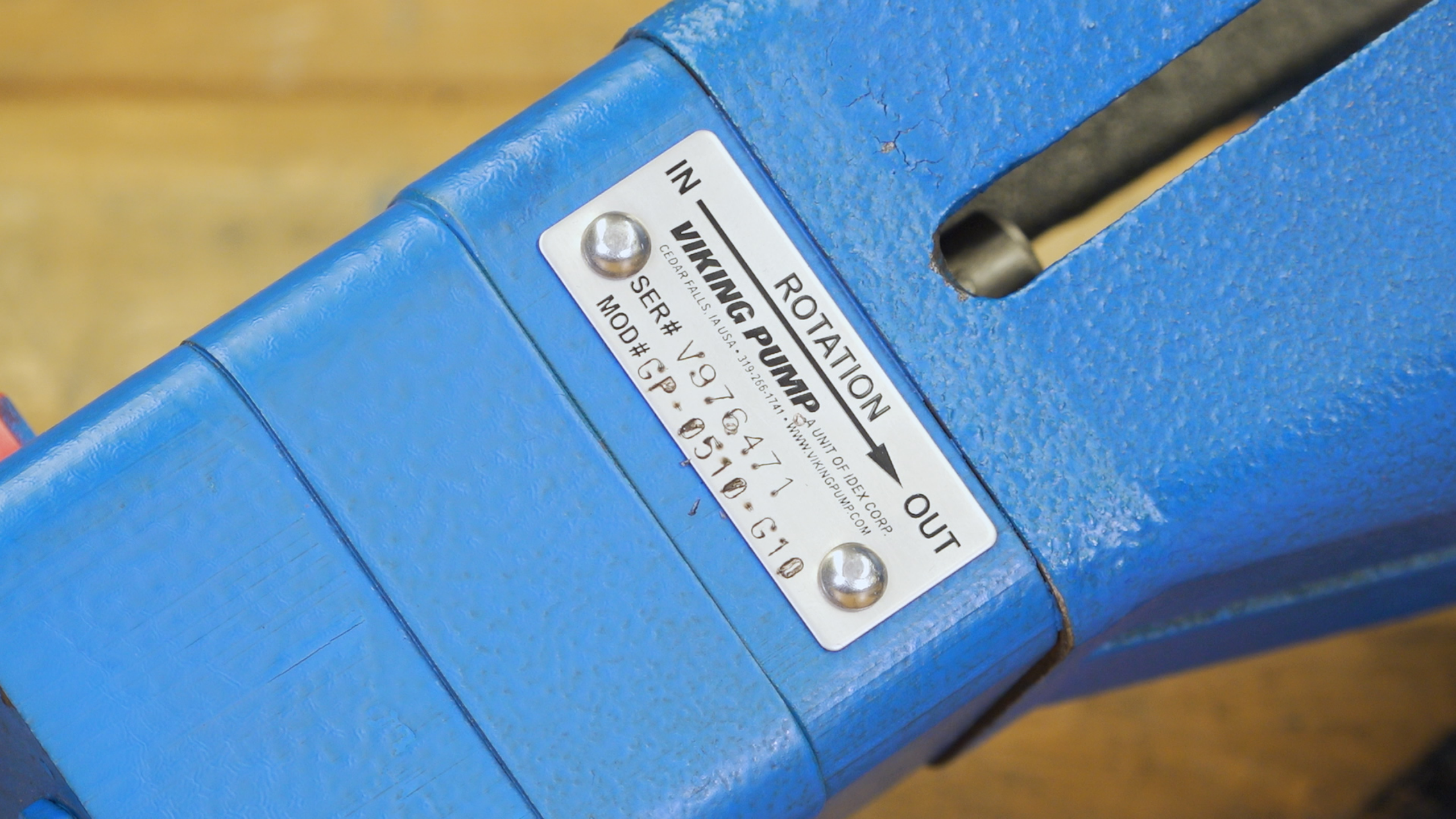
One of the biggest limitations of a traditional centrifugal pump is its inability to reverse the direction of flow. By design it can only be run in one rotation and one direction of flow. Liquid enters the eye of the impeller at the suction port (typically on the front of the pump), is pushed out radially, and exits the pump at the discharge port (typically on top of the pump). For most centrifugal pumps the suction port is larger than the discharge port to better feed liquid into the pump, and to remove any confusion as to which port is “in” and which port is “out.”  Rotation arrows can be found cast onto the pump or printed on the nameplate to make it perfectly clear that these pumps run in one direction of rotation and one direction of flow.