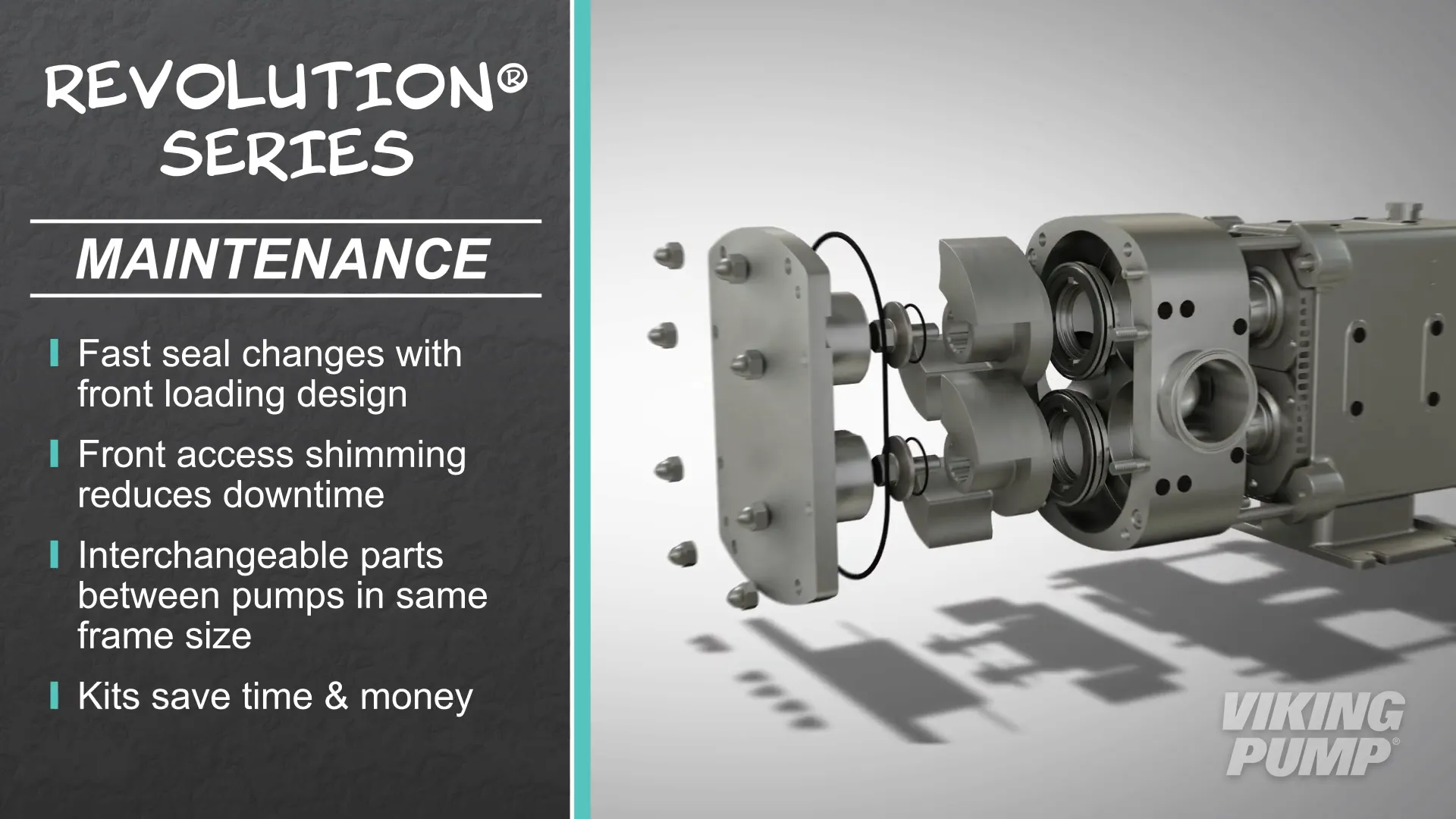
Revolution® Series Hygienic Pump Brings Flexibility to Difficult Applications
Explore the customizable features of the Revolution® Series Pumps from Viking Pump, designed for efficiency and hygiene in various applications.
Welcome to the Viking Pump foundry in Cedar Falls, Iowa, where we’ve been at the forefront of manufacturing gear pumps for decades. Our foundry is a cornerstone of our vertical integration capabilities, allowing us to produce castings and parts at speed.
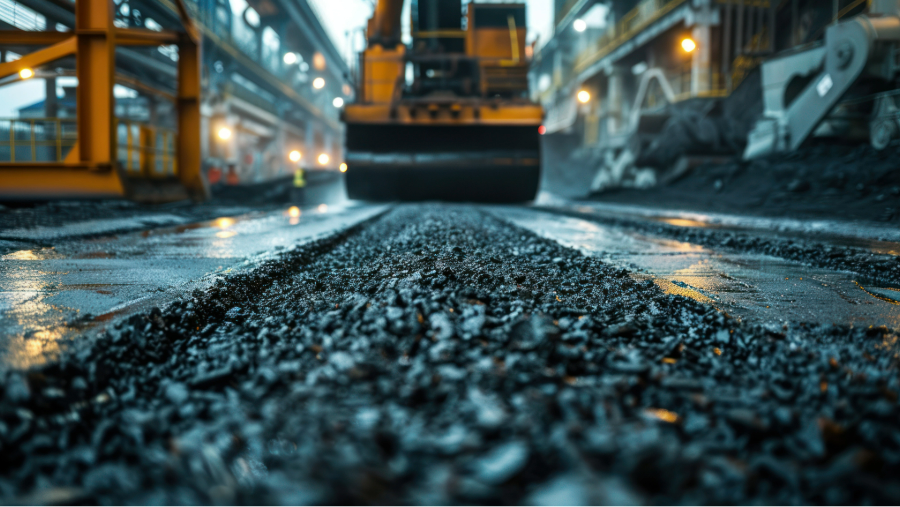
The terms bitumen and asphalt are often used interchangeably, but they are two completely different materials, causing confusion inside and outside the industry. Throw in regional differences in meaning and language, and it’s time to set the record straight, along with tips on bitumen pump selection.
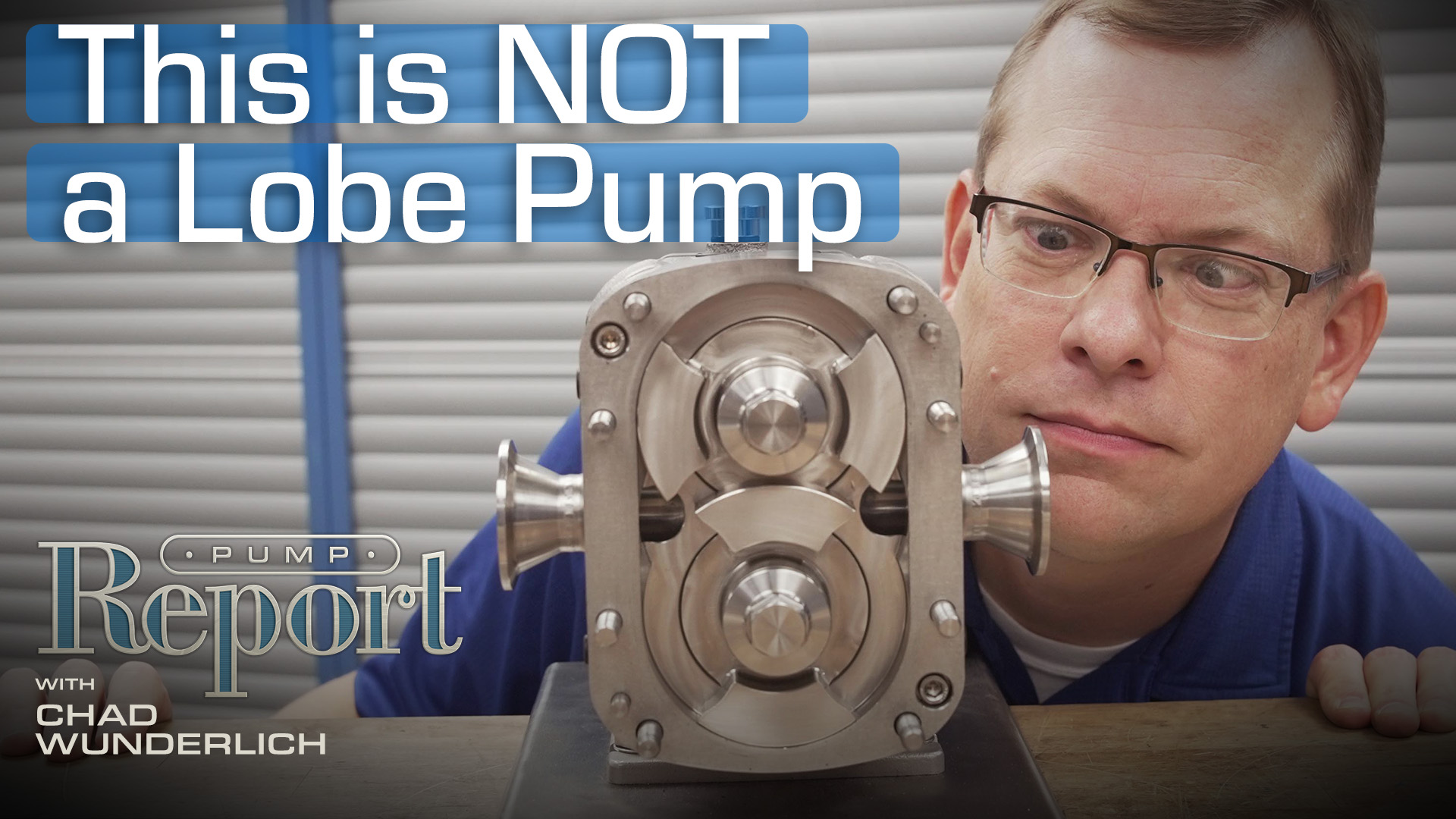
Viking Pump invented the internal gear pump in the early 20th century; but did you know that we carry various other pump technologies? Most of them are easily identifiable based on their shape. But one common mistake… read more.
Viking Pump invented the internal gear pump in the early 20th century; but did you know that we carry various other pump technologies? Most of them are easily identifiable based on their shape. But one common mistake that we see is confusing a lobe pump and a circumferential piston pump. So what exactly are the differences and advantages of circumferential piston pump technology (CPP)?

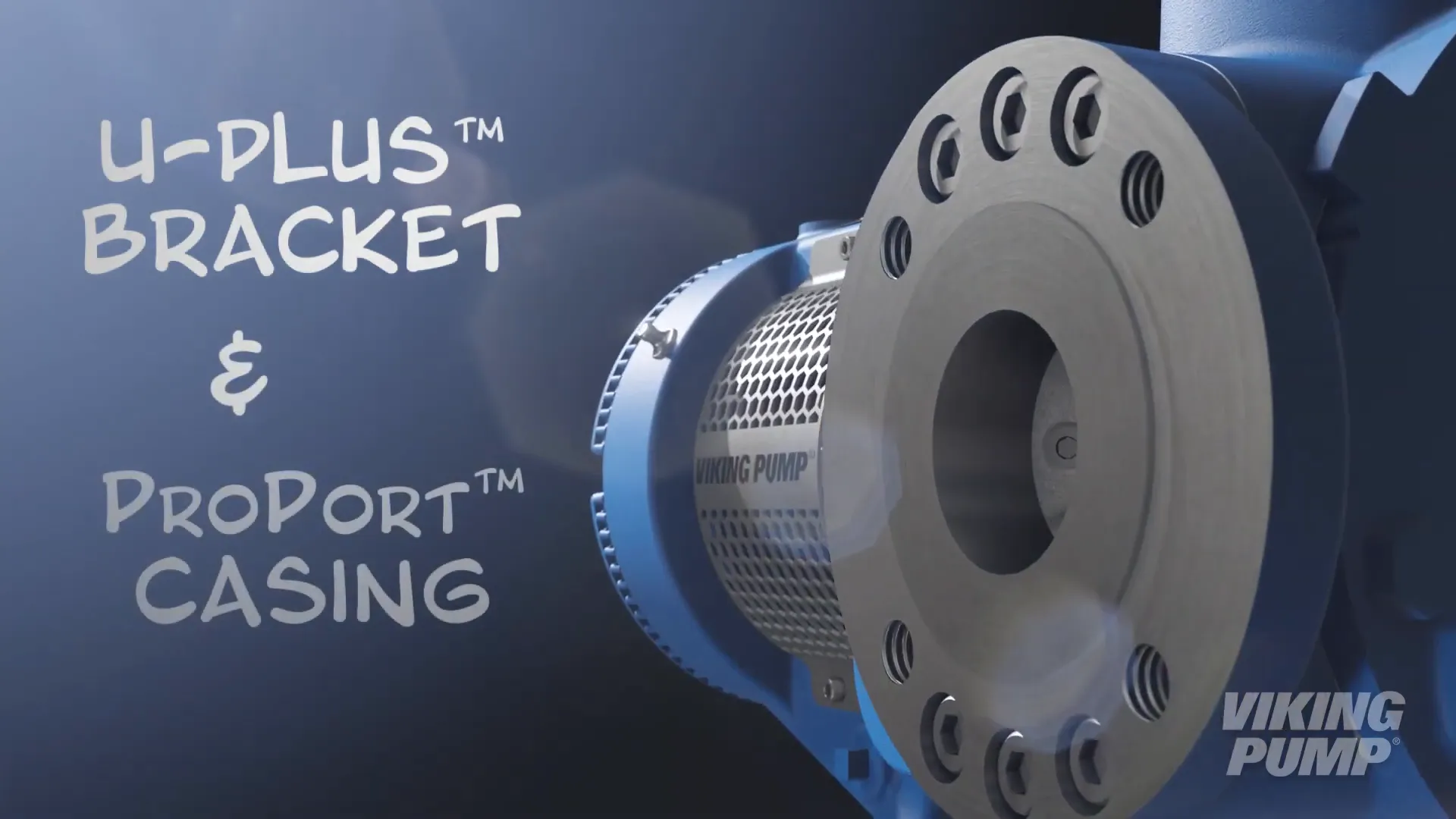
At Viking Pump, innovation is at the forefront of what we do. With the introduction of the U-Plus™ Bracket and ProPort™ Casing, we are redefining the capabilities of our internal gear pumps. These advancements are not just about new technology; they are about providing flexibility and efficiency in your pumping process. Let’s dive into what makes these innovations stand out.
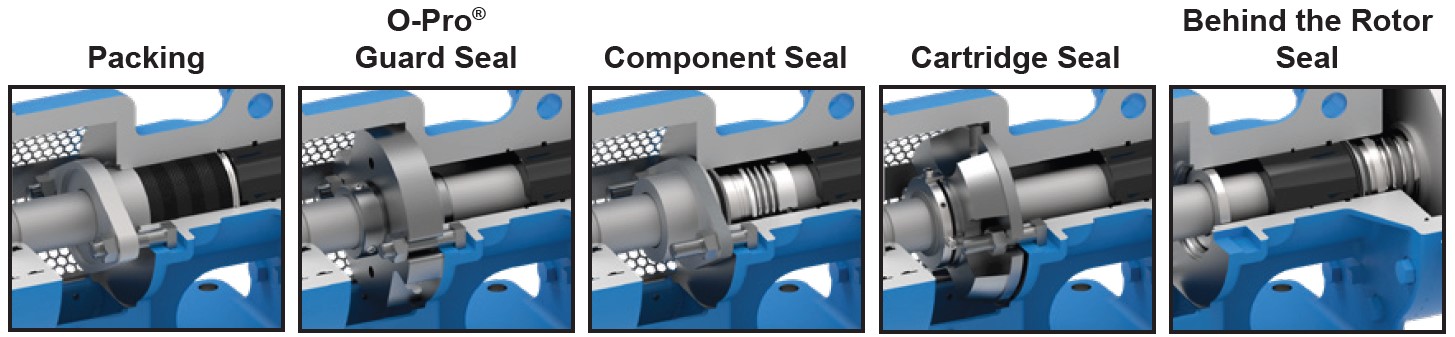
Viking Pump’s new generation of pumps (sizes H-QS in steel and stainless steel) offer a wide array of benefits that the previous alloy pumps could not, particularly in the area of sealing flexibility. These new pumps increase the number of sealing options possible in one pump, while at the same time reducing cost and lead times.
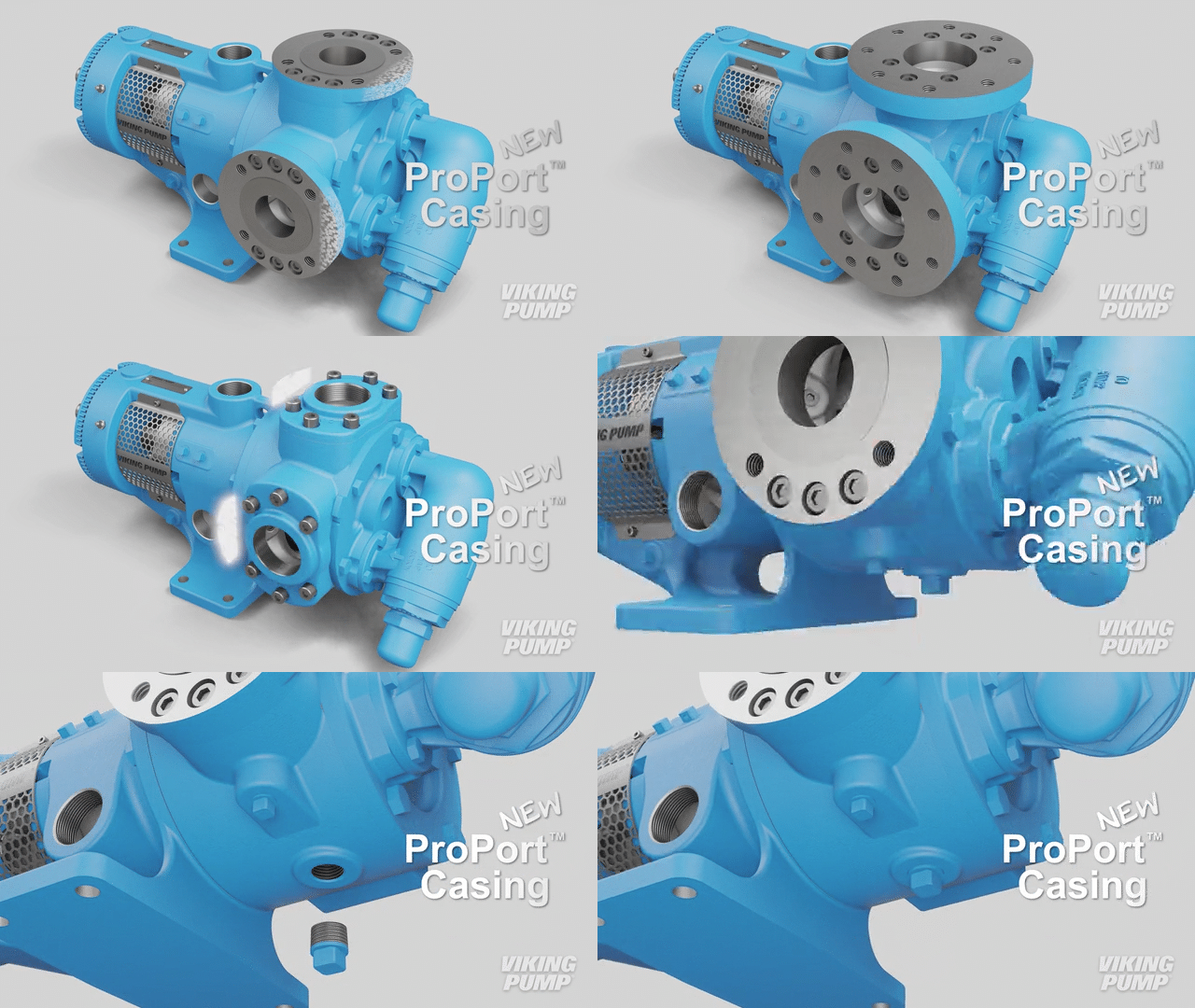
Viking Pump’s new generation of internal gear pumps offer a wide array of benefits that the previous alloy pumps could not, particularly in the area of porting flexibility. These new pumps reduced the number of casing configurations, which helps reduce manufacturing complexity, cost and lead times, while at the same time increasing the number of porting options and providing greater porting flexibility.
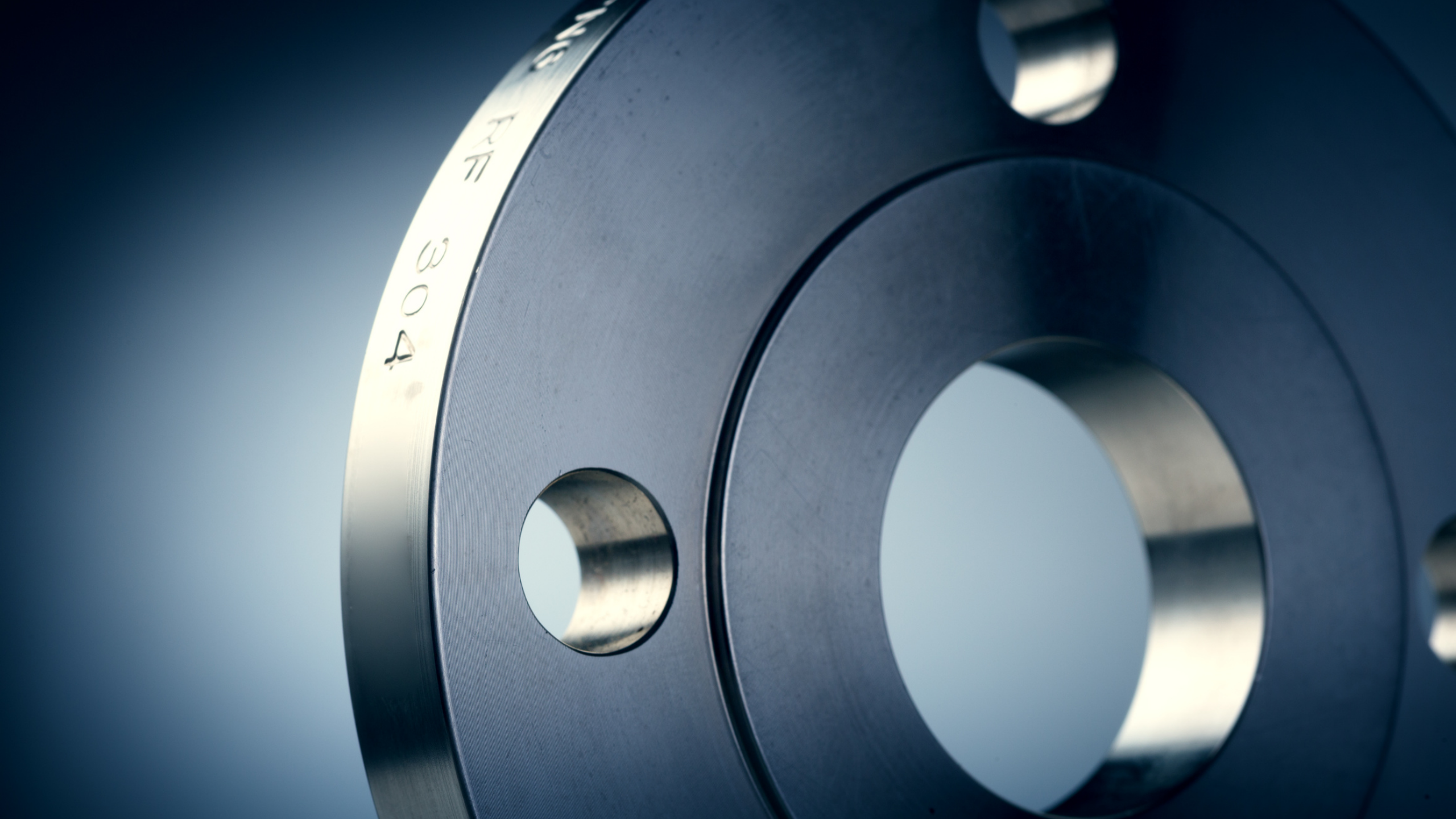
Flange standards used on Viking pumps have been in place for over a century so EVERYONE should be experts on this now…right? It turns out not so much. There are various standards and various design differences in each standard. AND the standards have evolved over the years, leading some to use obsolete terms which only compounds the confusion. The following should help clear up some of this confusion as well as give you a resource to help answer questions for others.
Unlike most of my colleagues I didn’t start out with a mechanical background. While they were studying kinetics and machine design, I was studying digital electronics and industrial power. When I started my career in the world of pumps, I had to learn a whole new set of concepts. What was surprising was that while the terminology may be a bit different, the concepts are very similar. Think of the following as a “Rosetta Stone” for translating the common terms and concepts of fluid systems to your more familiar terms and concepts of electrical systems.
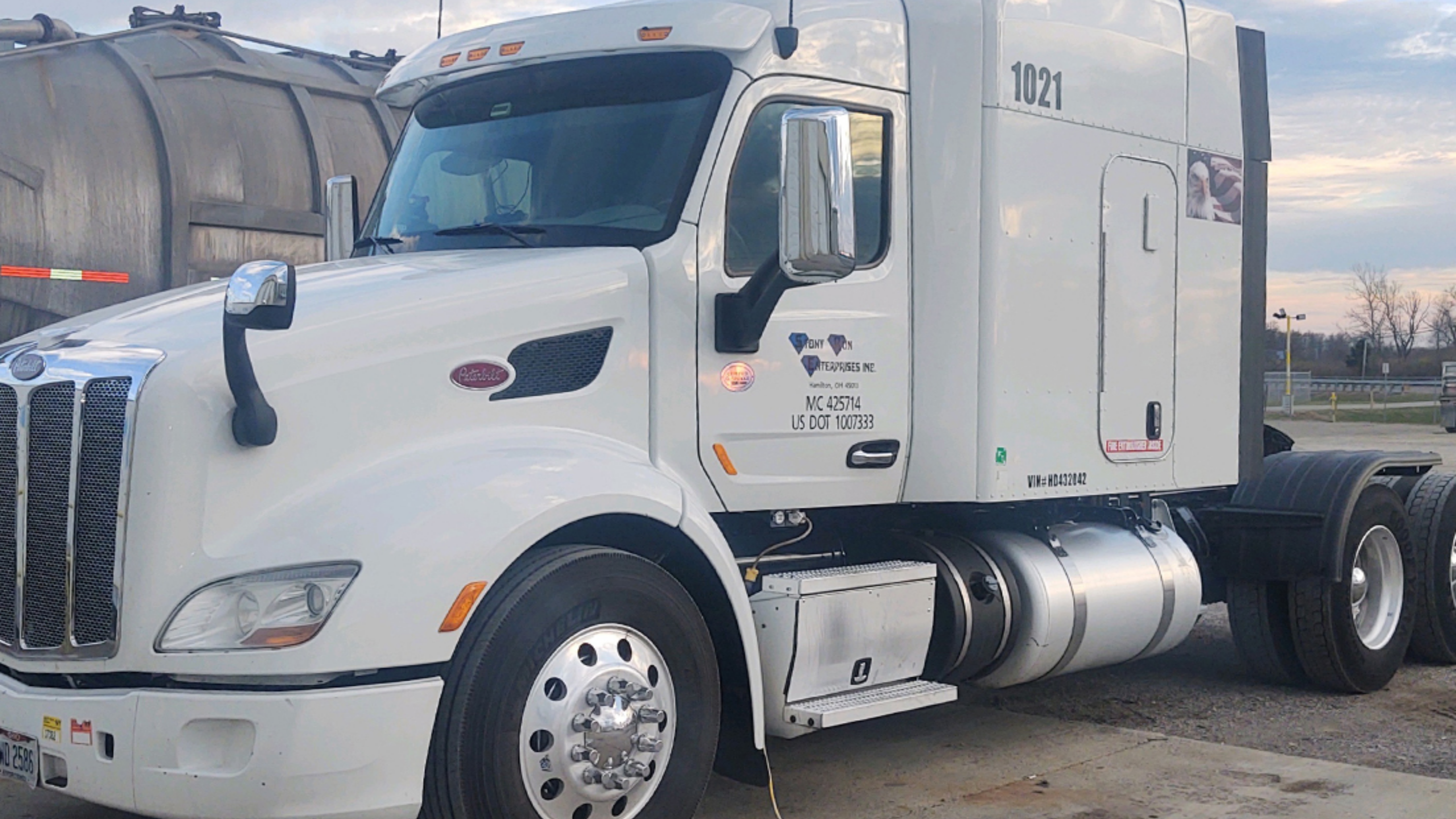
With today’s fast-paced supply chain demands, it is essential that tanker truck systems can unload contents quickly to ensure timely delivery for optimum manufacturing efficiency. Stony Run Enterprises Inc., a family-owned trucking enterprise located in Hamilton, Ohio, understands this sense of urgency with its commitment to transport multiple types of products with “speed, safety, and professionalism.”