What a WATER Barometer Teaches Us About Pumps

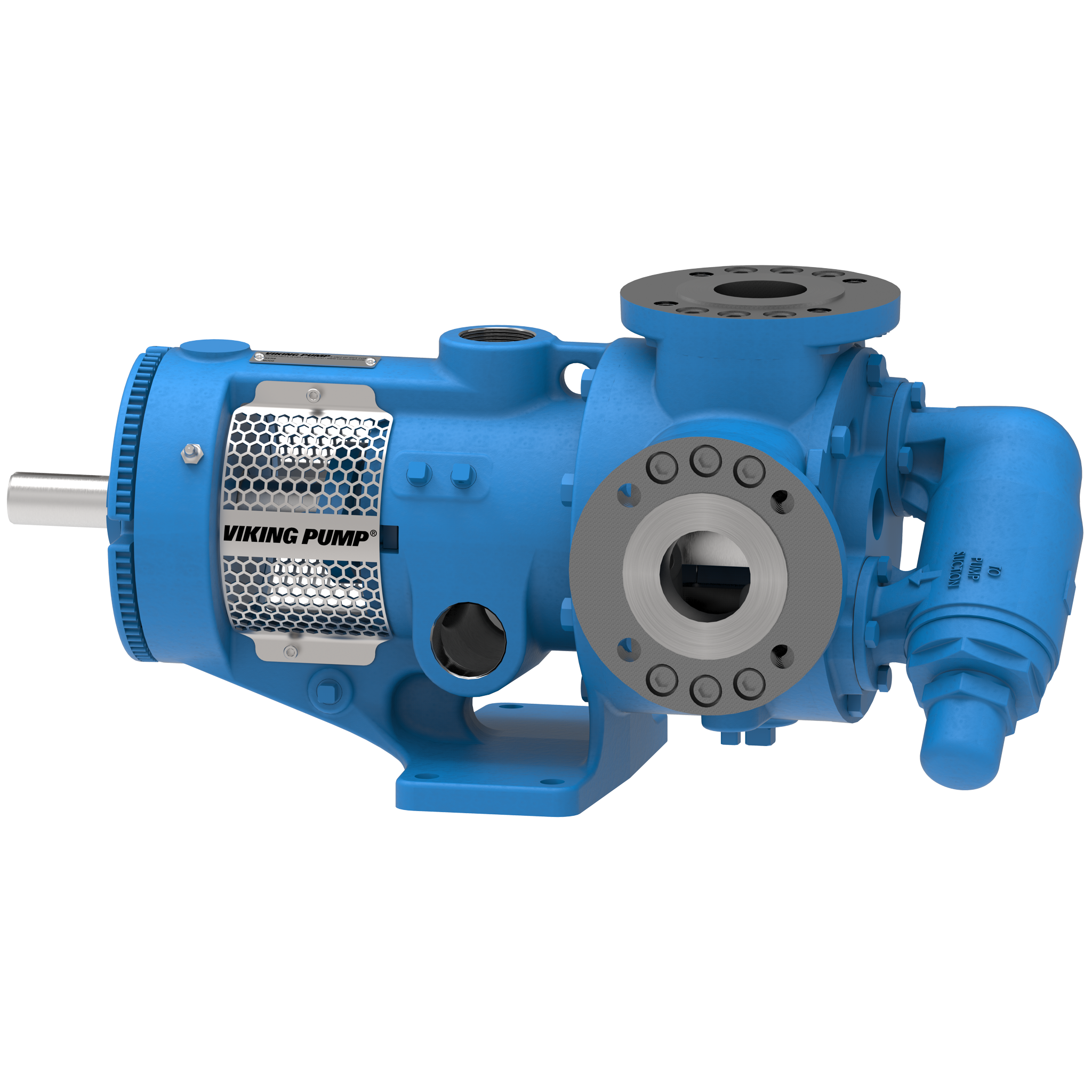
This is a gear pump, a type of rotary positive displacement pump. Its tight-fitting clearances allow it to evacuate air in the suction line to prime the pump. And once primed, it's capable of pulling even higher vacuums. This ability to self-prime is key in applications like unloading drums, totes, rail cars, and barges. But as good as this pump is at pulling the liquid in, it's always going to be limited and not based on the pump. It's based on an invisible force pushing the liquid in from the outside, and that's atmospheric pressure.

How REVERSIBLE Internal Gear Pumps Work

Hi! I’m Chad Wunderlich with Viking Pump and this is an internal gear pump. With each rotation of the gears, a set volume of liquid is moved from the inlet to the outlet. And if I were to reverse the direction of rotation, I reverse the direction of flow. Now this isn’t unique to internal gear pumps, other rotary pumps like external gear, lobe, and hose pumps exhibit this same behavior. But did you know it’s possible to make this internal gear pump deliver flow in just one direction, independent of the direction of rotation?

image of yellowy grease

Grease Transfer Pumps: Solutions for Efficient Grease Handling

Search Description

Grease is an essential component in various industries, ensuring that machinery and equipment operate smoothly. A grease transfer pump plays a crucial role in the efficient handling of grease, whether for automotive, industrial, or other applications. Here we will explore the characteristics of grease, the challenges associated with pumping it, and the grease transfer pump solutions offered by Viking Pump.

Grease is an essential component in various industries, ensuring that machinery and equipment operate smoothly. A grease transfer pump plays a crucial role in the efficient handling of grease, whether for automotive, industrial, or other applications. Here we will explore the characteristics of grease, the challenges associated with pumping it, and the grease transfer pump solutions offered by Viking Pump.


Viking Pump Foundry from the outside

Exploring Viking Pump's Foundry: A Leader in Manufacturing Gear Pumps

Search Description

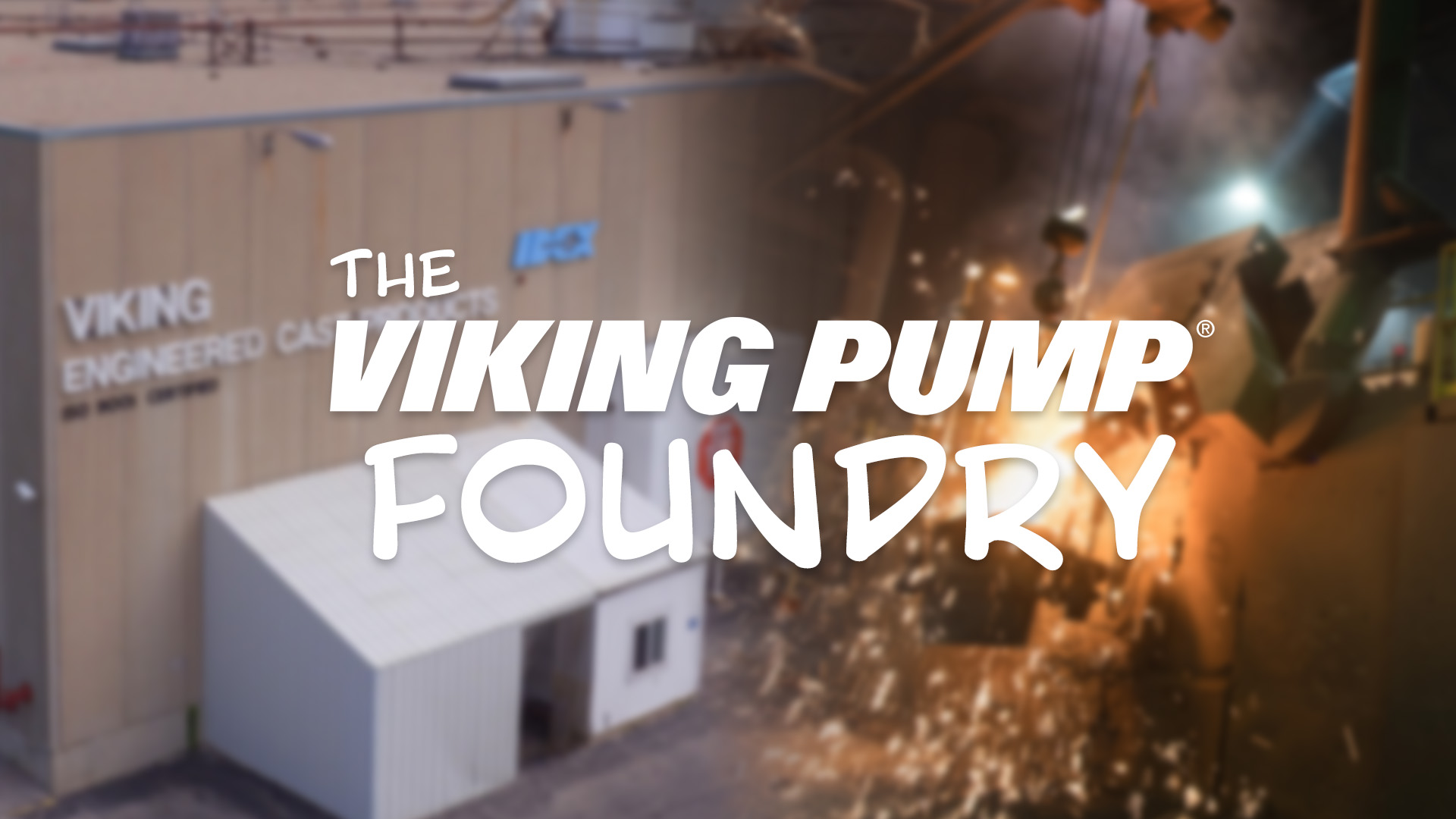
Welcome to the Viking Pump foundry in Cedar Falls, Iowa, where we’ve been at the forefront of manufacturing gear pumps for decades. Our foundry is a cornerstone of our vertical integration capabilities, allowing us to produce castings and parts at speed.


compacter rolling over freshly laid asphalt mix

Bitumen vs Asphalt: Key Differences and Gear Pump Selection

Search Description

The terms bitumen and asphalt are often used interchangeably, but they are two completely different materials, causing confusion inside and outside the industry. Throw in regional differences in meaning and language, and it’s time to set the record straight, along with tips on bitumen pump selection.

This is NOT a lobe pump

Circumferential Piston Pumps Are NOT Lobe Pumps

Search Description

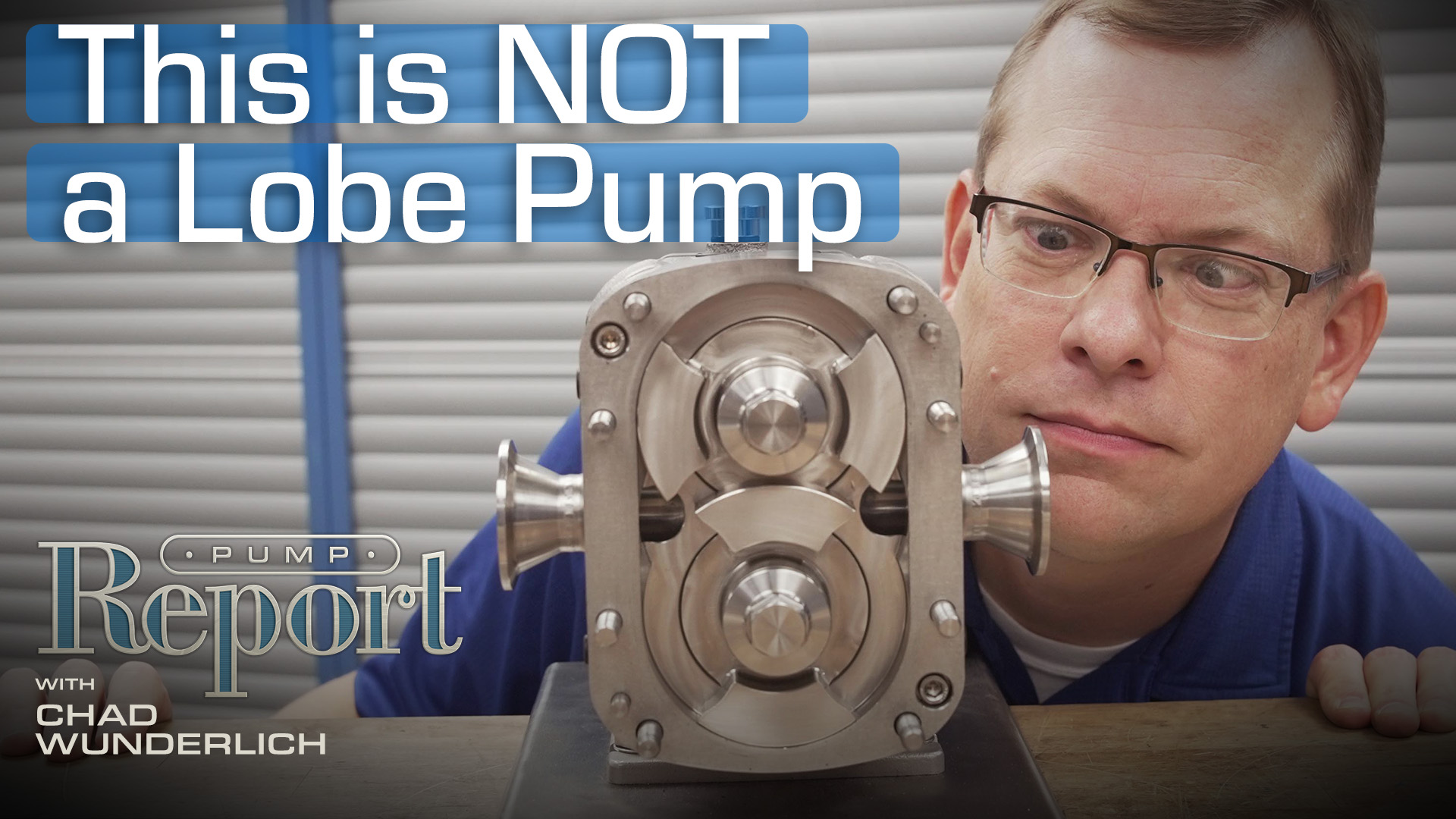
Viking Pump invented the internal gear pump in the early 20th century; but did you know that we carry various other pump technologies? Most of them are easily identifiable based on their shape. But one common mistake… read more.


Viking Pump invented the internal gear pump in the early 20th century; but did you know that we carry various other pump technologies? Most of them are easily identifiable based on their shape. But one common mistake that we see is confusing a lobe pump and a circumferential piston pump. So what exactly are the differences and advantages of circumferential piston pump technology (CPP)? 

vintage photo of engineering review hand-drawn blueprints

Revolutionary to Evolutionary: A brief history of the Viking Pump® internal gear pump

Search Description

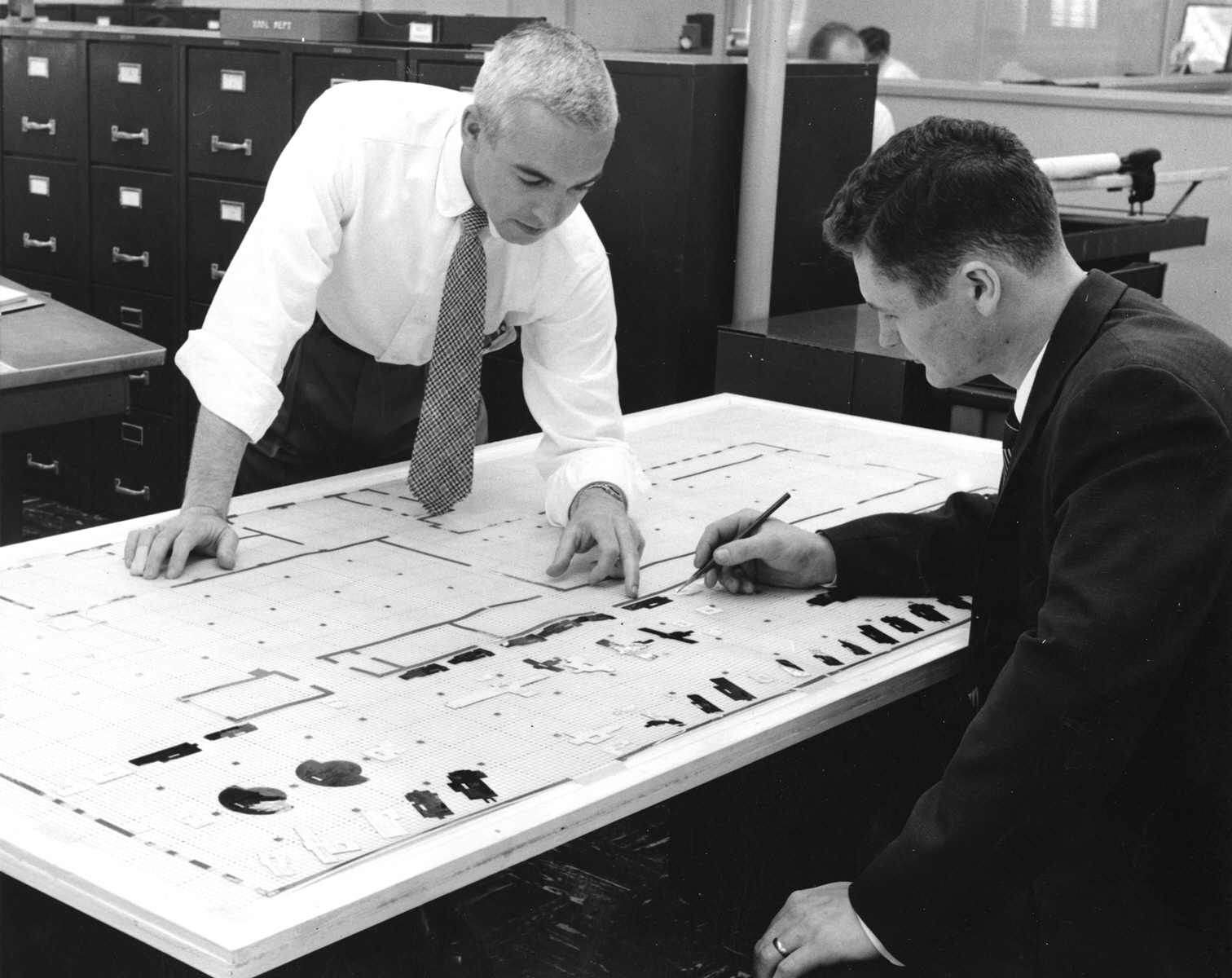
In the early 20th century industrial innovation was accelerating. And as Henry Ford developed his Model T and the Wright Brothers were unlocking the secrets to manned flight, a Danish immigrant named Jens Nielsen was working on an invention of his own. Nielsen’s internal gear pump was intended to be used to lift water from his quarry but soon others found uses for his pump and the Viking Pump® company was formed.

So your pump is making noise due to cavitation. Now what?

Join Viking Pump's Chad Wunderlich as he describes the multiple ways to address and solve for a cavitating pump. 


So just to recap: a cavitating pump is one that is exhibiting noise, loss of capacity, and if left unchecked can lead to localized pitting of the pump internals. The cause is excessive vacuum at the pump inlet. So what's the fix? 


For most systems, it starts with atmospheric pressure - but you can't move your entire facility to sea level. So what CAN you fix?

What causes pumps to cavitate? And why is my pump so LOUD?

In this Pump Report, Chad covers the causes and symptoms of positive displacement pump cavitation.


Hi, I'm Chad Wunderlich with Viking Pump. In a previous video we discussed the priming capability of positive displacement pumps, like this gear pump. This is due, in part, to the pump's ability to develop vacuum...but what happens if that vacuum gets too high? 


Today we're going to talk about cavitation. You're watching the Pump Report. 

Slowing Down Your Pump's Motor with a Variable Frequency Drive (VFD)

In a positive displacement pump, each rotation of the shaft and gears carries a fixed volume of liquid from the supply tank to the downstream piping. When paired with an AC induction motor, speed and flow are very consistent. But what if you want to CHANGE the flow? In this episode of the Pump Report, Chad discusses controlling your positive displacement pump's motor with a variable frequency drive - or VFD.