 United Kingdom
 France
 Italy
Italy
 Germany
 Sweden
 Spain
Spain
 Canada
 India
India


OBSOLETE
REPLACEMENT
-
ModelManualCatalog SectionModelManualCatalog Section
Videos


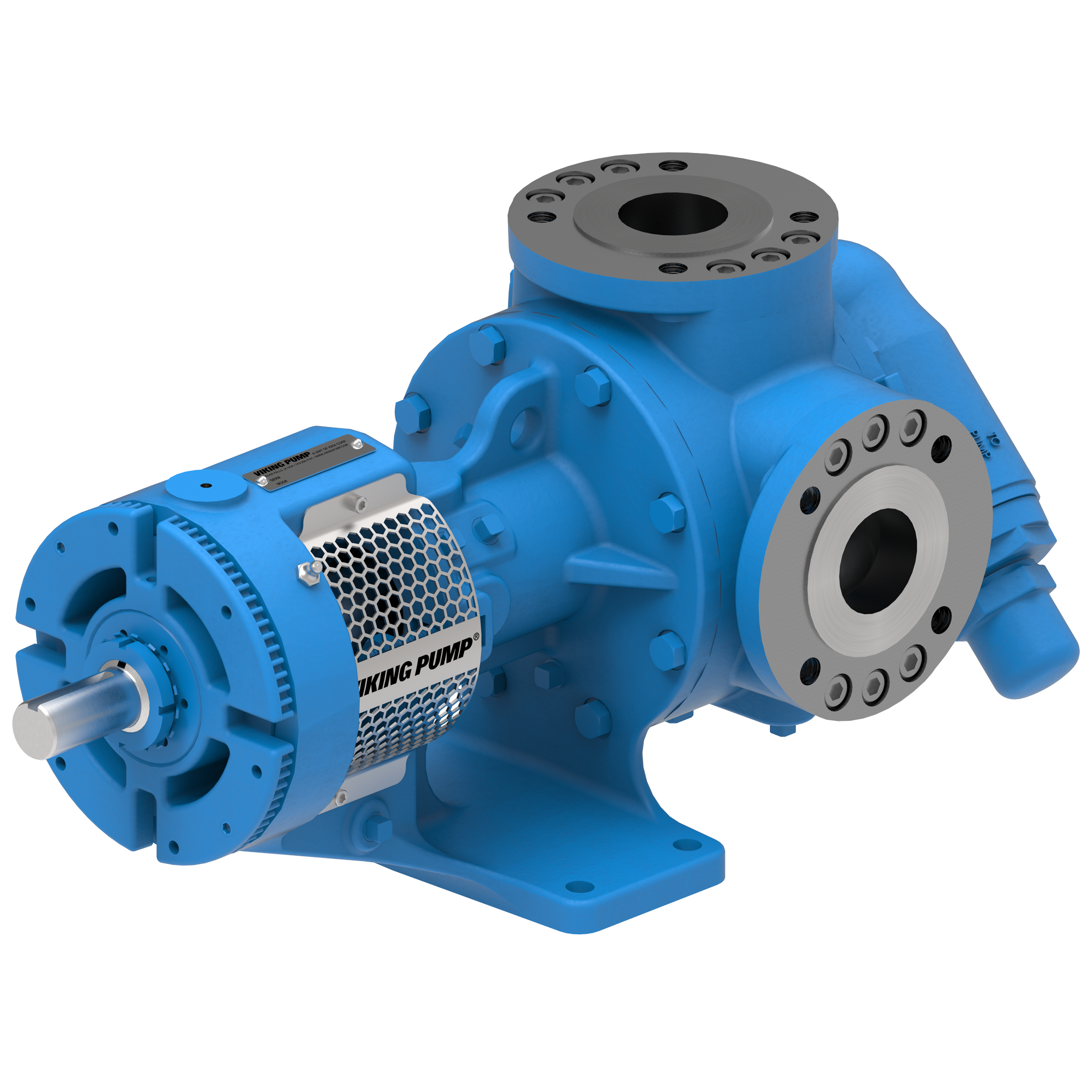

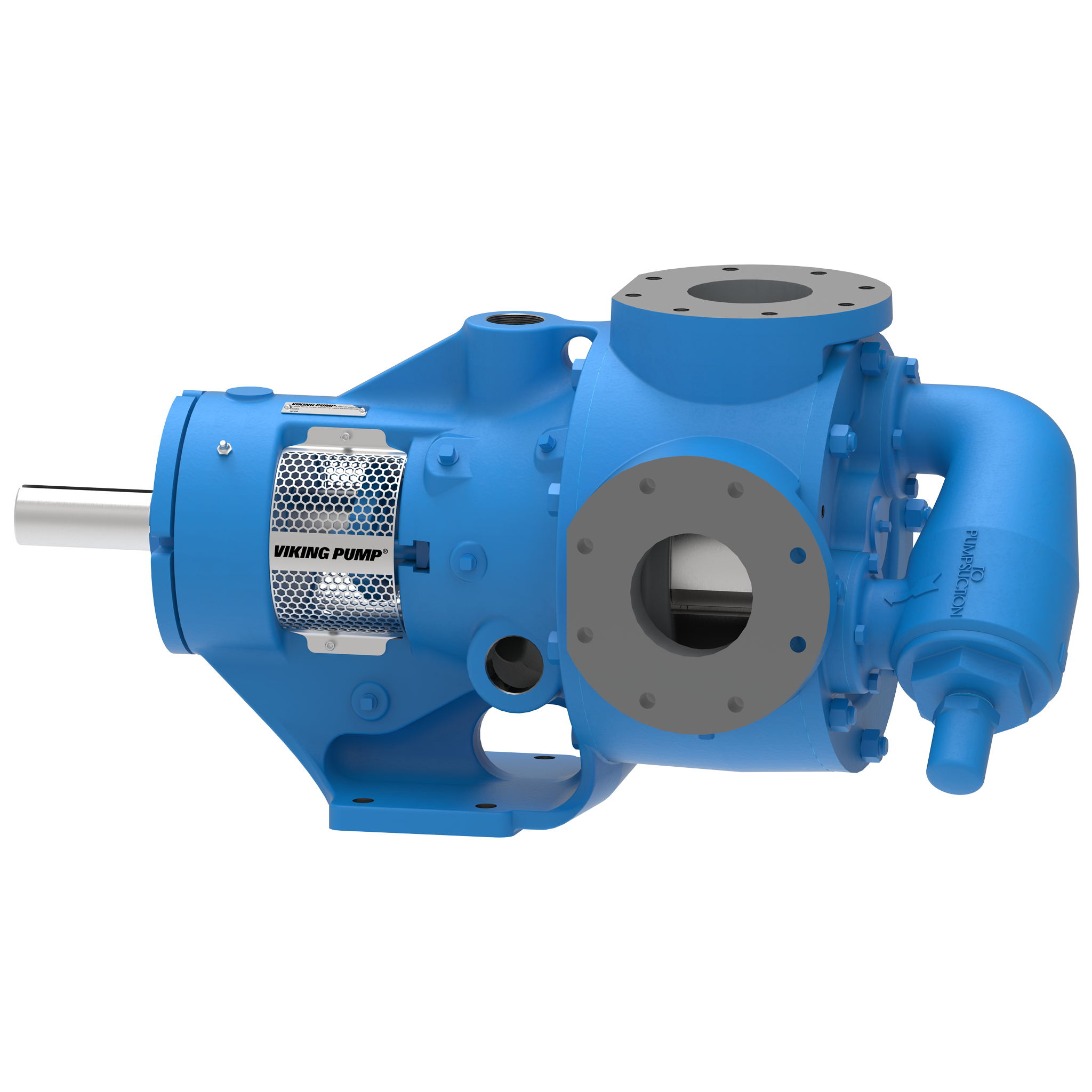
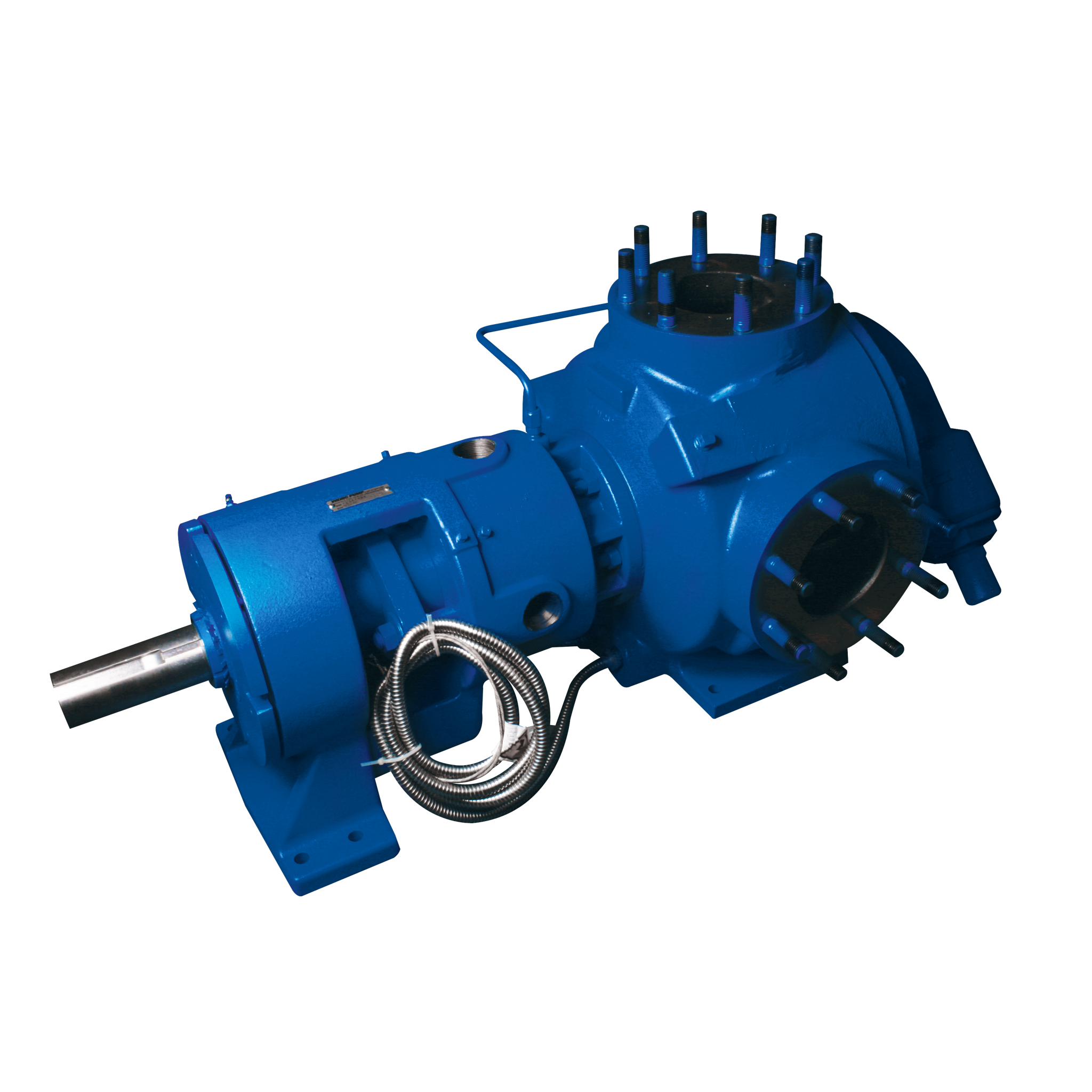
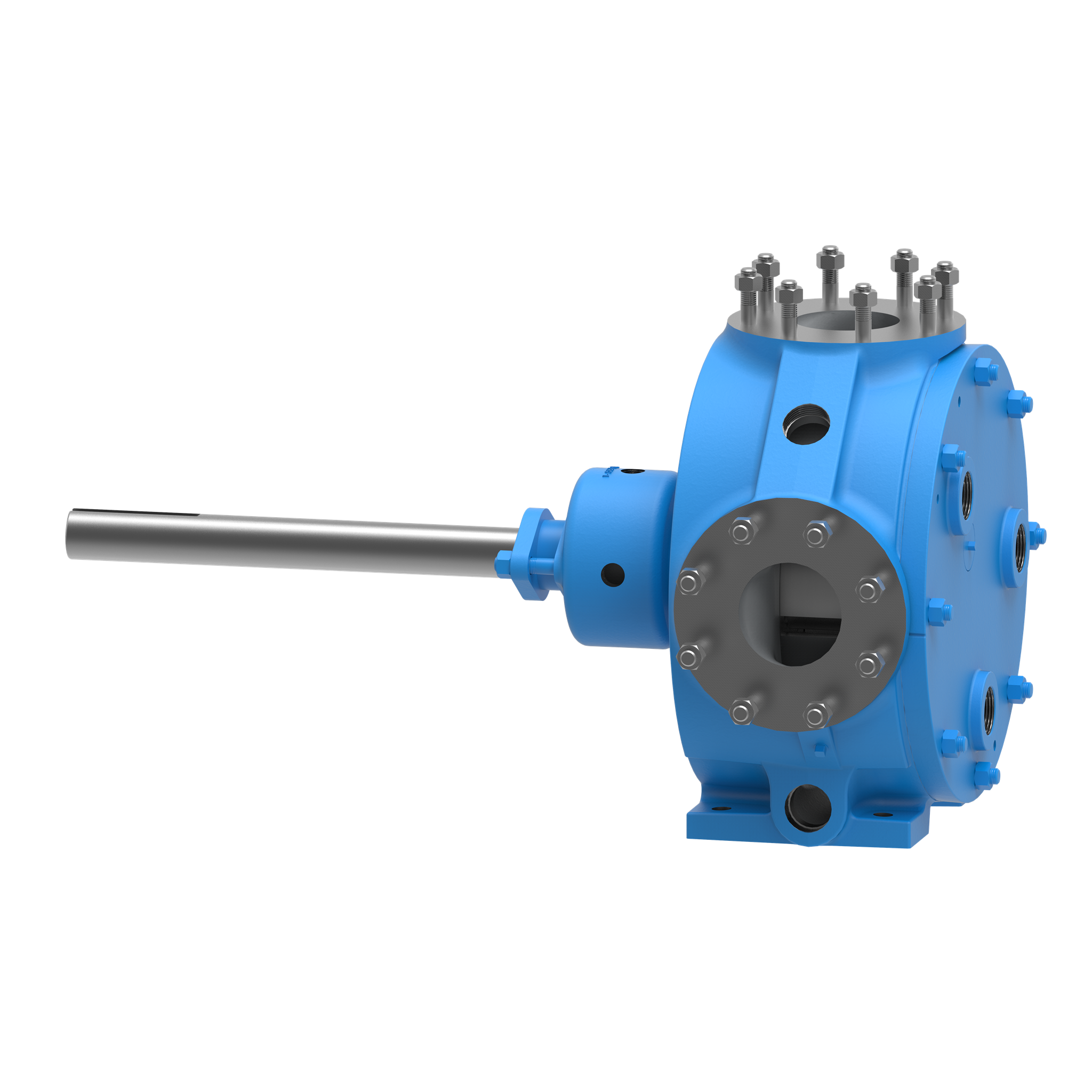

TSM / Catalog / Flyers / Brochures
Service Manual | 1400
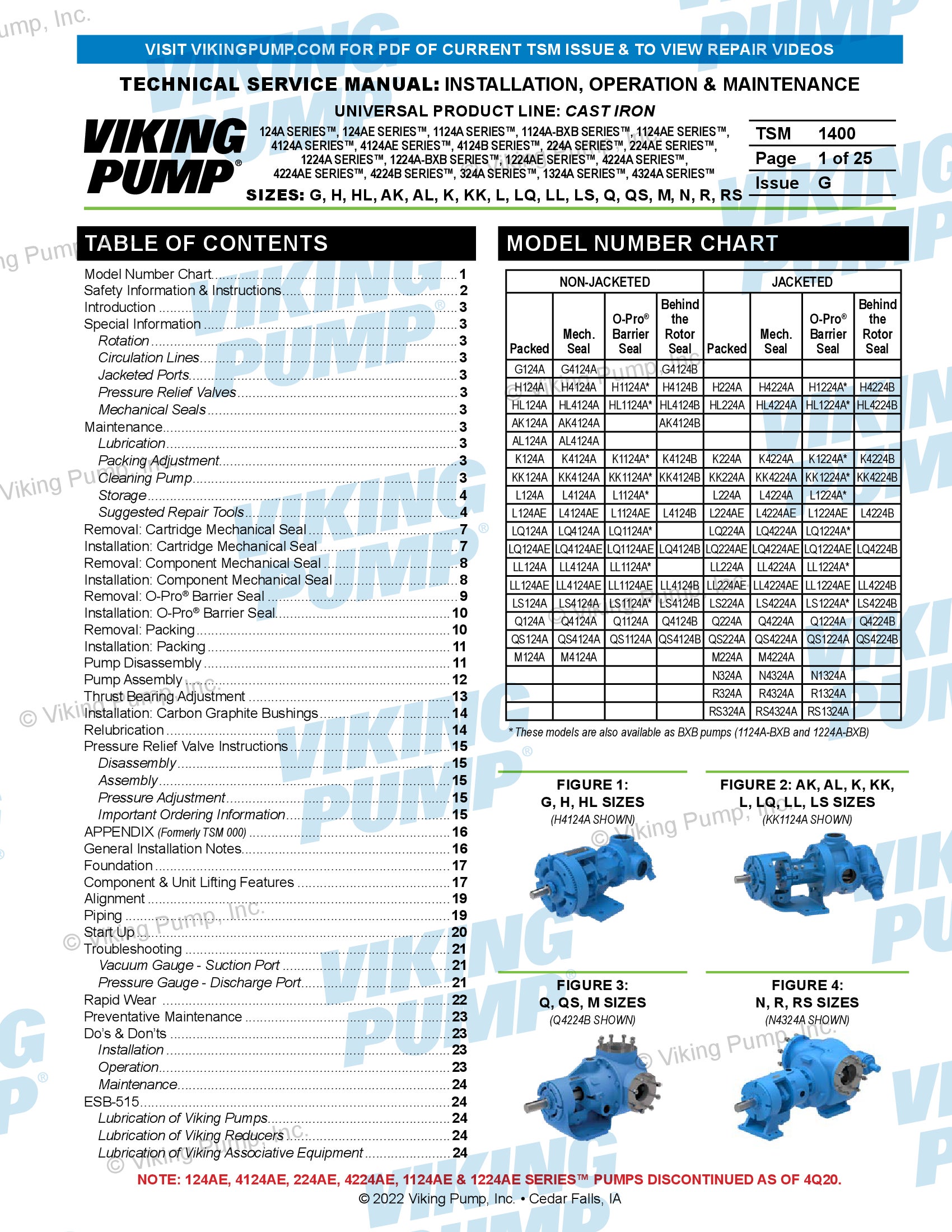
Technical Service Manuals
Catalog Section | 1402 | Jacketed
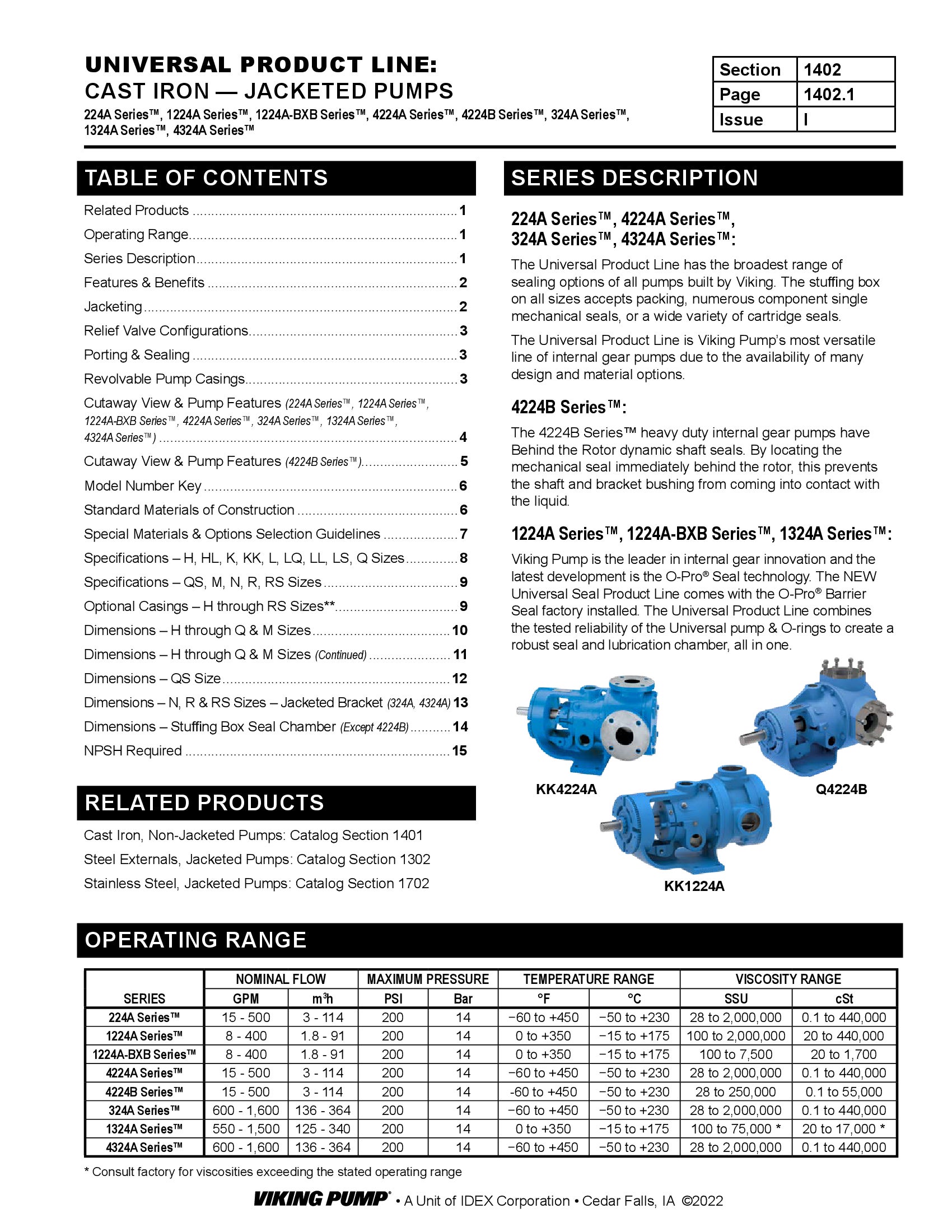
Catalog Sections
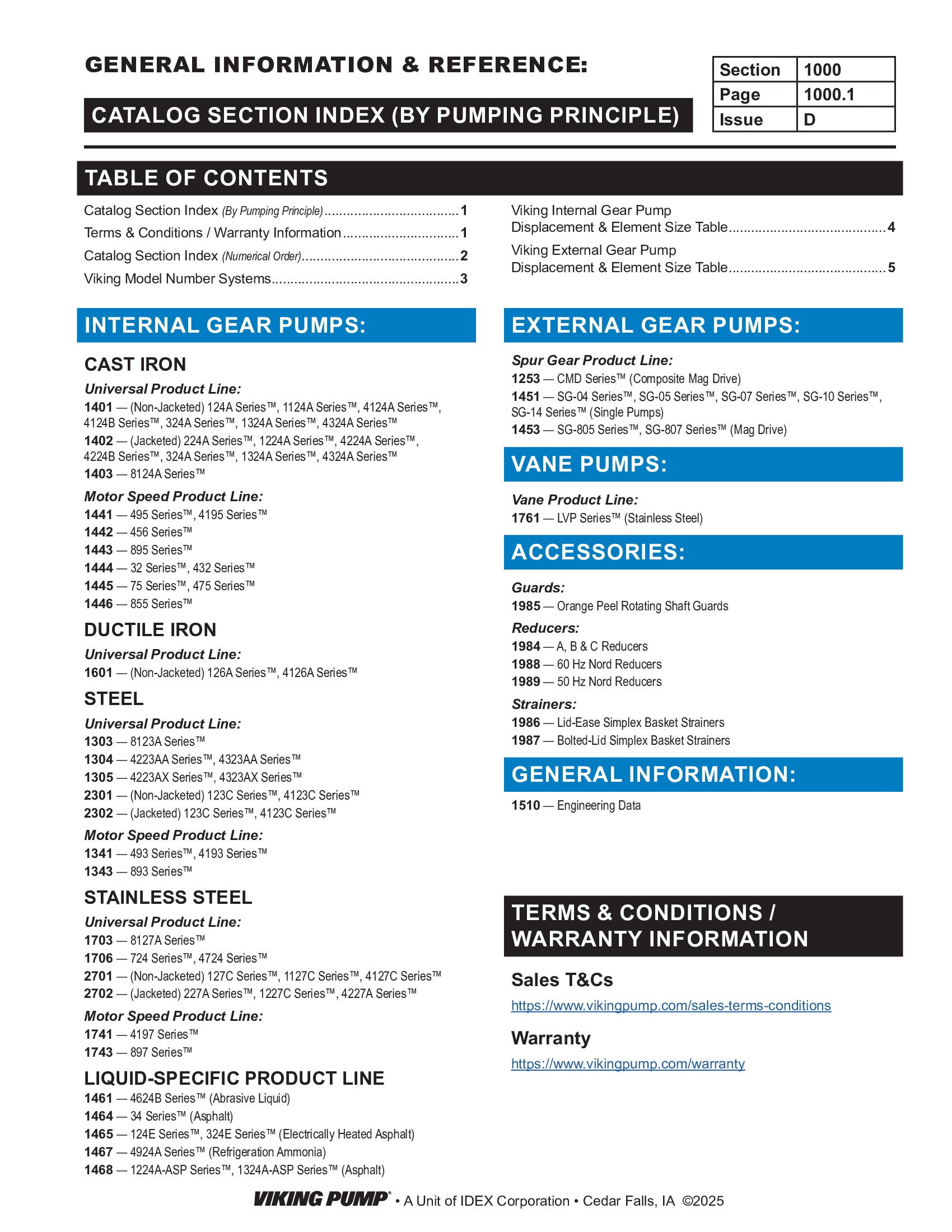
Catalog Section | 1000 | General Information
Product Flyers
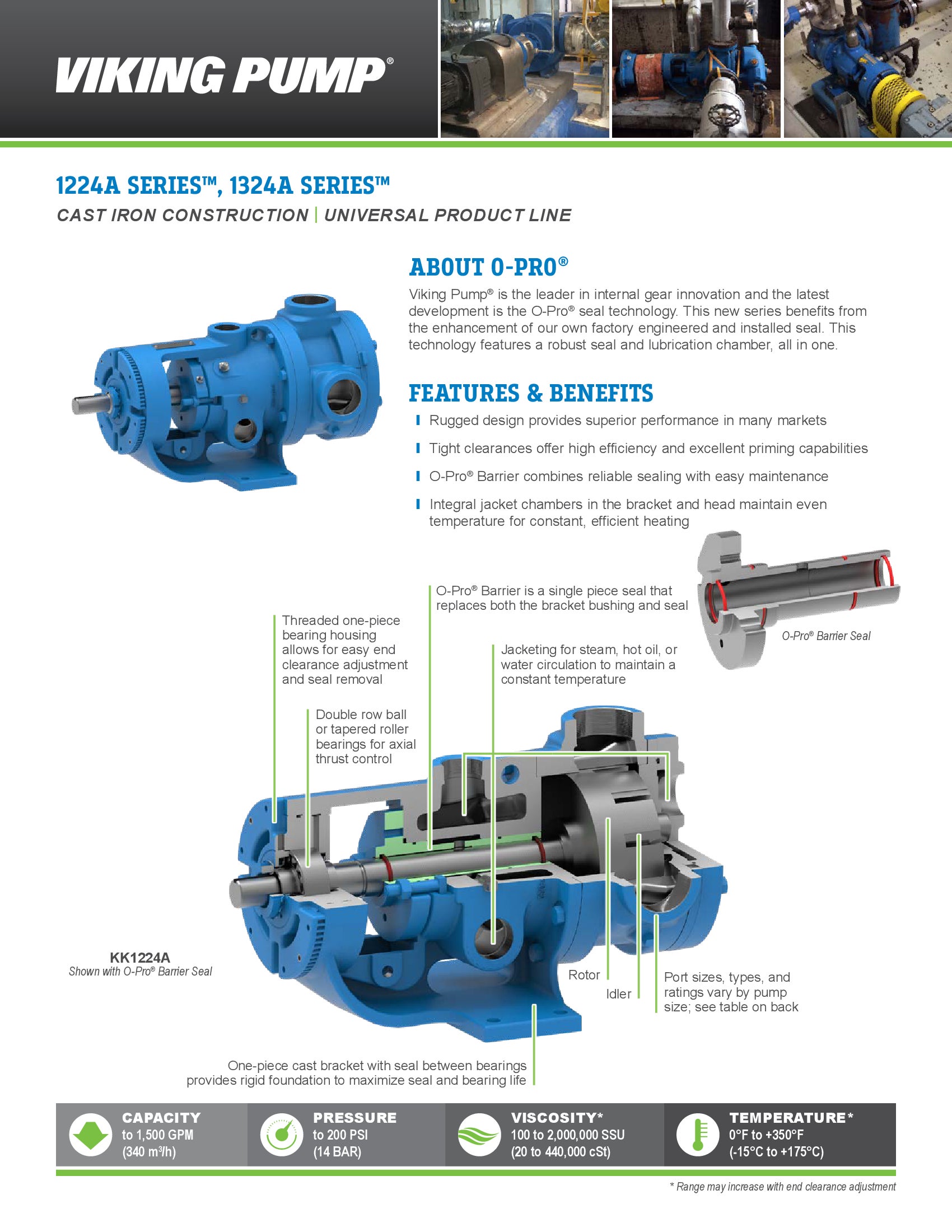
Flyer | Form 1405 | 1224A / 1324A Series
Product Flyers
Form 5000 | Product Catalog

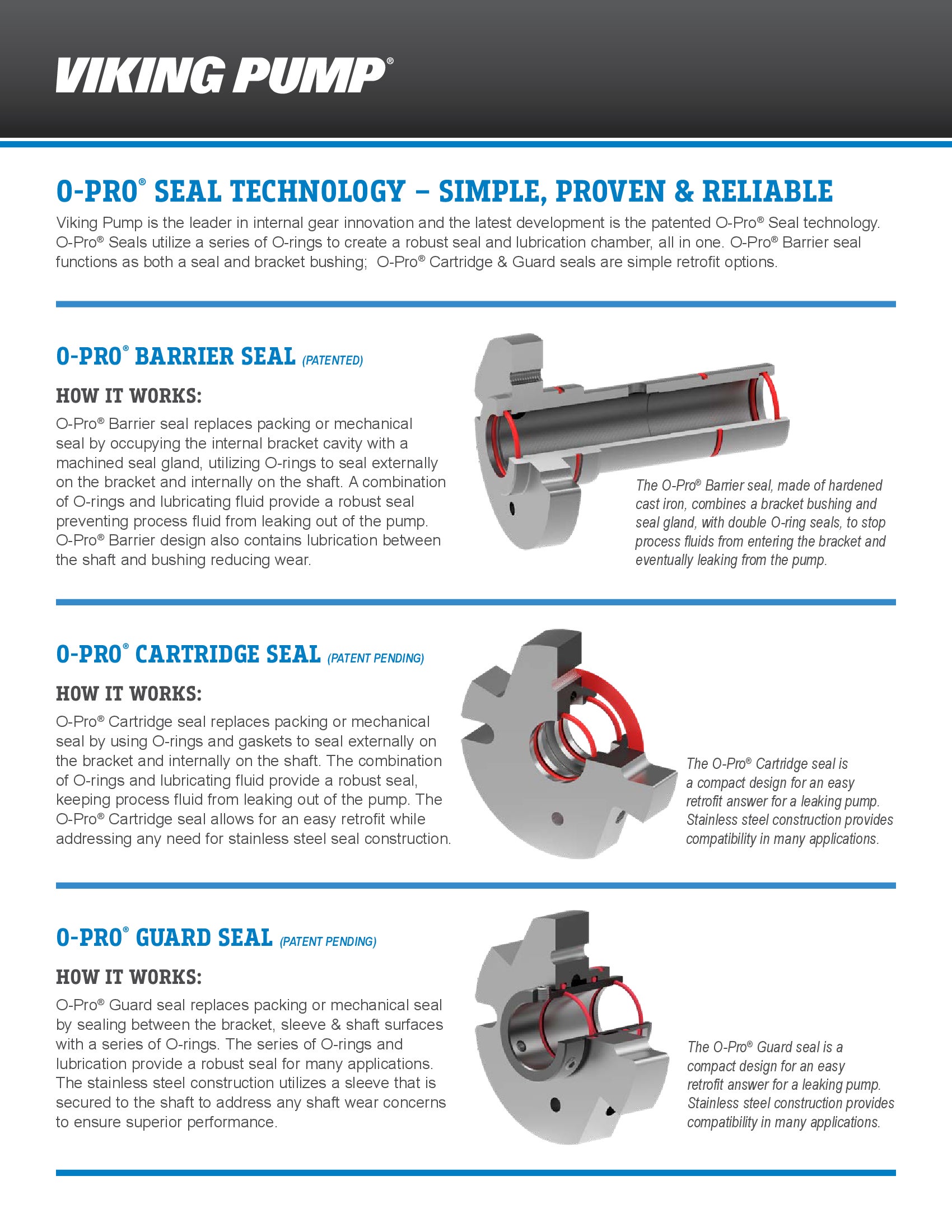
Flyer | O-Pro® Seals

-
DRAWINGS

H-HL with Relief Valve - 1.5" NPT RH  PDF
PDF
 STEP
STEP
K-KK with Plain Head - 2" NPT RH/LH
PDF
STEP
K-KK with Plain Head - 3" Class 125 ANSI RH
PDF
K-KK with Relief Valve - 2" NPT RH
PDF
STEP
L with Jacketed Relief Valve - 2" NPT RH
PDF
STEP
L with Jacketed Relief Valve - 3" Class 125 ANSI RH
PDF
STEP
L with Plain Head - 2" NPT RH
PDF
STEP
LL with Jacketed Relief Valve - 3" Class 125 ANSI RH
PDF
STEP
LL with Plain Head - 3" Class 125 ANSI RH/LH
PDF
STEP
LL with Relief Valve - 3" Class 125 ANSI RH/LH
PDF
STEP
LQ with Jacketed Relief Valve - 2.5" Class 125 ANSI RH
PDF
STEP
LQ with Plain Head - 2.5" Class 125 ANSI RH/LH
PDF
STEP
LQ with Relief Valve - 2.5" Class 125 ANSI RH/LH
PDF
STEP
LS with Plain Head - 3" Class 125 ANSI RH/LH
PDF
STEP
LS with Relief Valve - 3" Class 125 ANSI RH/LH
PDF
STEP
M with Plain Head - 4" Class 125 ANSI RH
PDF
STEP
Q with Jacketed Head - 4" Class 125 ANSI RH/LH
PDF
STEP
Q with Jacketed Relief Valve - 4" Class 125 ANSI RH
PDF
STEP
Q with Relief Valve - 4" Class 125 ANSI RH/LH
PDF
STEP
QS with Jacketed Head - 6" Class 125 ANSI Opposite
PDF
QS with Jacketed Relief Valve - 6" Class 125 ANSI Opposite
PDF
STEP
QS with Relief Valve - 6" Class 125 ANSI Opposite
PDF
STEP