 United Kingdom
 France
 Italy
Italy
 Germany
 Sweden
 Spain
Spain
 Canada
 India
India


Request a Quote
Request a Quote
Reclaimed Asphalt
Reclaimed Asphalt
Custom Content One
Reclaimed Asphalt is asphalt paving that has been removed from roadways and milled or crushed into fine particles which can be added to virgin asphalt cement to create new Hot Mix Asphalt. The use of Reclaimed Asphalt Paving (RAP) improves the economics of roadways by reducing the amount of asphalt binder, aggregate, and mineral filler needed to make new Hot Mix Asphalt (HMA), while simultaneously eliminating the need to landfill waste demolition materials, making it both a cost-effective and environmentally responsible solution.
Reclaimed asphalt is typically a filled asphalt containing bituminous binder blended with solids including aggregate and rubber, and these solids result in very high densities and viscosities, as well as an abrasive nature that creates the need for extra clearances, low run speeds, and the inclusion of hardened parts. To properly handle these materials, iron or steel positive displacement pumps with electric heat or jacketing for steam or hot oil heating are necessary to maintain the material at the temperatures required to liquify the asphalt binder, which can reach up to 300°F (149°C).
Custom Content One
Viking in the Process
Milled, fine-screened RAP may be conveyed cold to mix with hot aggregate from the drum dryer to be blended with asphalt binder in the pugmill. Viking pumps are used in the binder feeder system to meter hot asphalt cement and recycling agent from storage tanks to the pugmill. Hot In-Place Recycling of the top layer of asphalt pavement involves heater scarification remixing and repaving in one continuous operation, eliminating the need to transport RAP to a hot mix plant. These use Viking pumps to meter the rejuvenator oil onto milled pavement mixed in place.
Custom Content Two
Applications
- Asphalt cement transfer
- Recycling agent (rejuvenator) transfer
- RAP transfer
Recommended Pumps
-
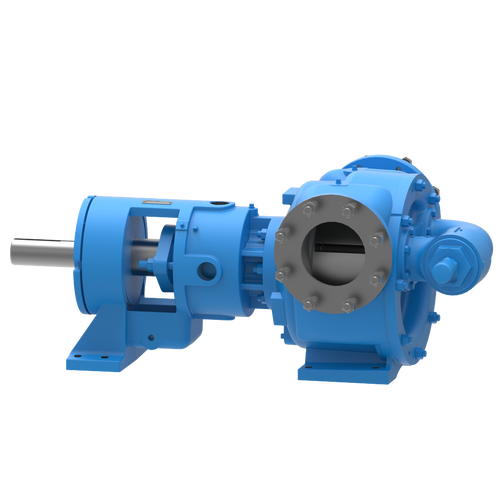
324A Series™
- Cast Iron
- Packing
- 500-1600 gpm | 114-364 m3h
-
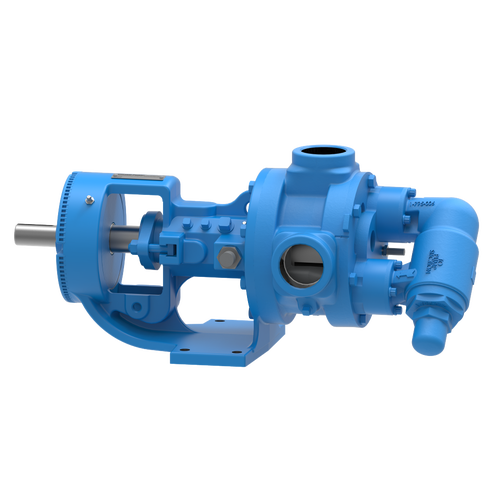
124E SERIES™
- Cast Iron
- Packing
- 320-1600 gpm | 114-364 m3h
Articles / Case Studies

The terms bitumen and asphalt are often used interchangeably, but they are two completely different materials, causing confusion inside and outside the industry. Throw in regional differences in meaning and language, and it’s time to set the record straight, along with tips on bitumen pump selection.

Viscosity is a measure of a liquid’s resistance to flow. And you don’t need to work in a laboratory to observe this. Anyone who’s spent any time in the kitchen has observed a variety of liquids with a wide variety of viscosities.
Videos

 Welcome to Viking Pump's Machine ShopThis is Viking Pump’s machine shop in Cedar Falls, Iowa. Continual investments in machines and people simplify and expedite production – enabling shipment for thousands of products every year.February 28, 2025
 Welcome to Viking Pump's FoundryThis is Viking Pump’s foundry in Cedar Falls, Iowa. For decades, the Viking Pump foundry has been a pillar of our vertical integration capabilities – allowing for the nimble production of castings and parts to satisfy customer needs and support new product development.February 14, 2025