 United Kingdom
 France
 Italy
Italy
 Germany
 Sweden
 Spain
Spain
 Canada
 India
India


Los sellos mecánicos evitan la fuga de líquidos creando una película hidrodinámica entre dos superficies con un acabado de alta precisión
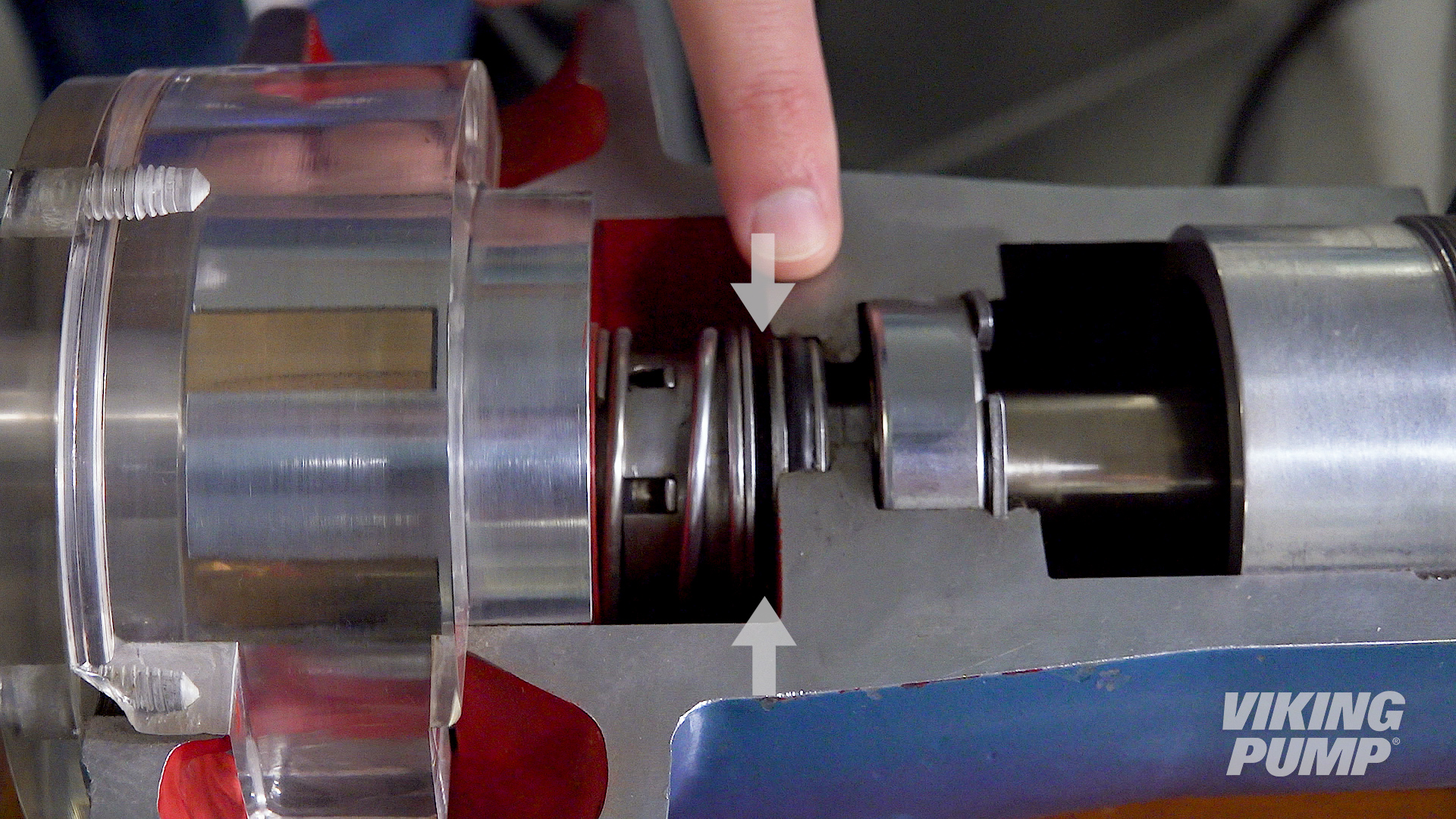
Sello mecánico
¿Qué es un sello mecánico?
Los sellos mecánicos evitan las fugas de líquido creando una película hidrodinámica de líquido entre dos superficies con un acabado de alta precisión. En las bombas, los sellos mecánicos más sencillos cuentan con una superficie giratoria y otra estática. Existen diversos tipos y se pueden encontrar en diferentes tecnologías de bombeo, por ejemplo, en bombas de engranaje interno, de engranaje externo y centrífugas.
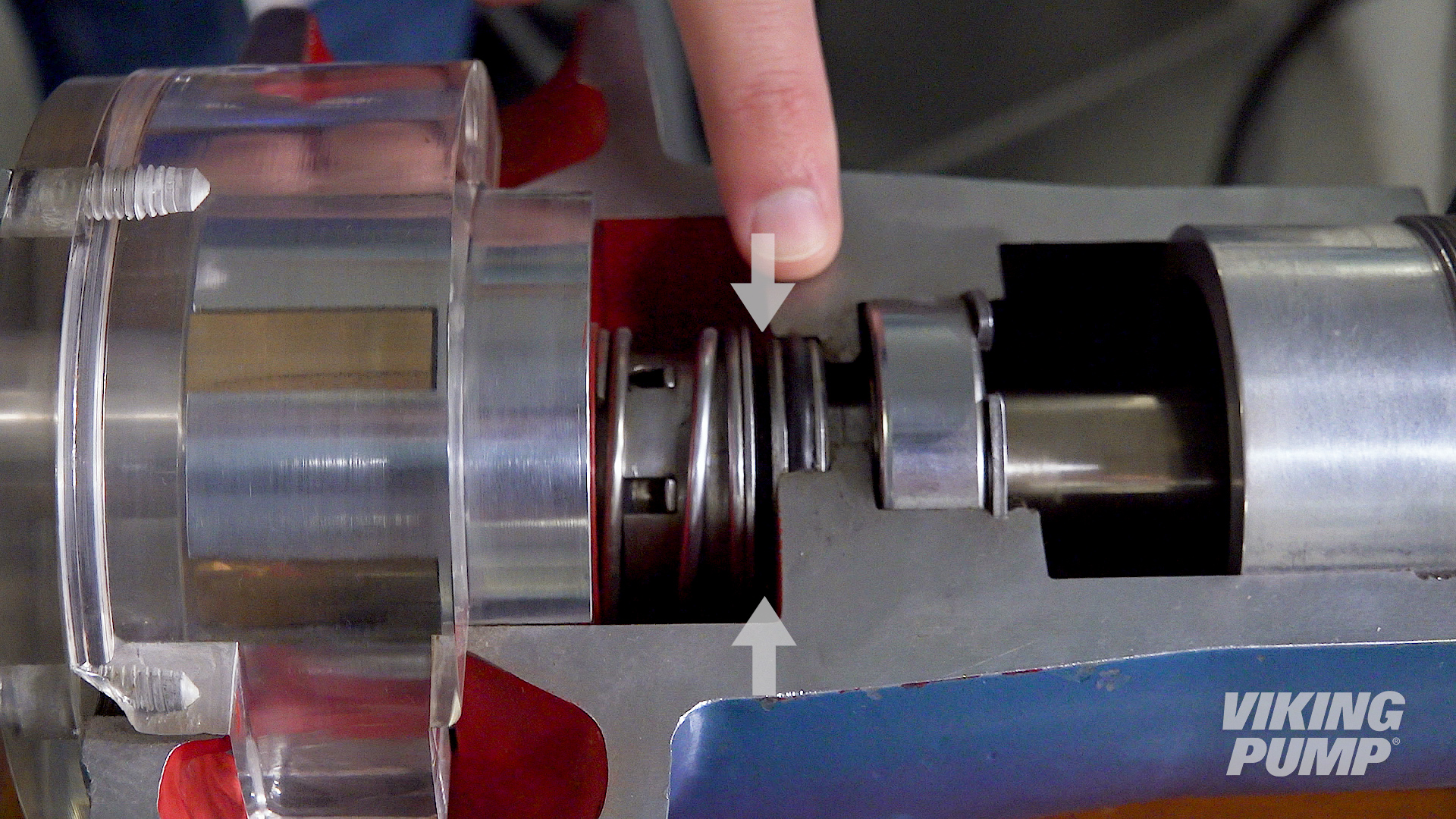
¿Cómo funciona un sello mecánico?
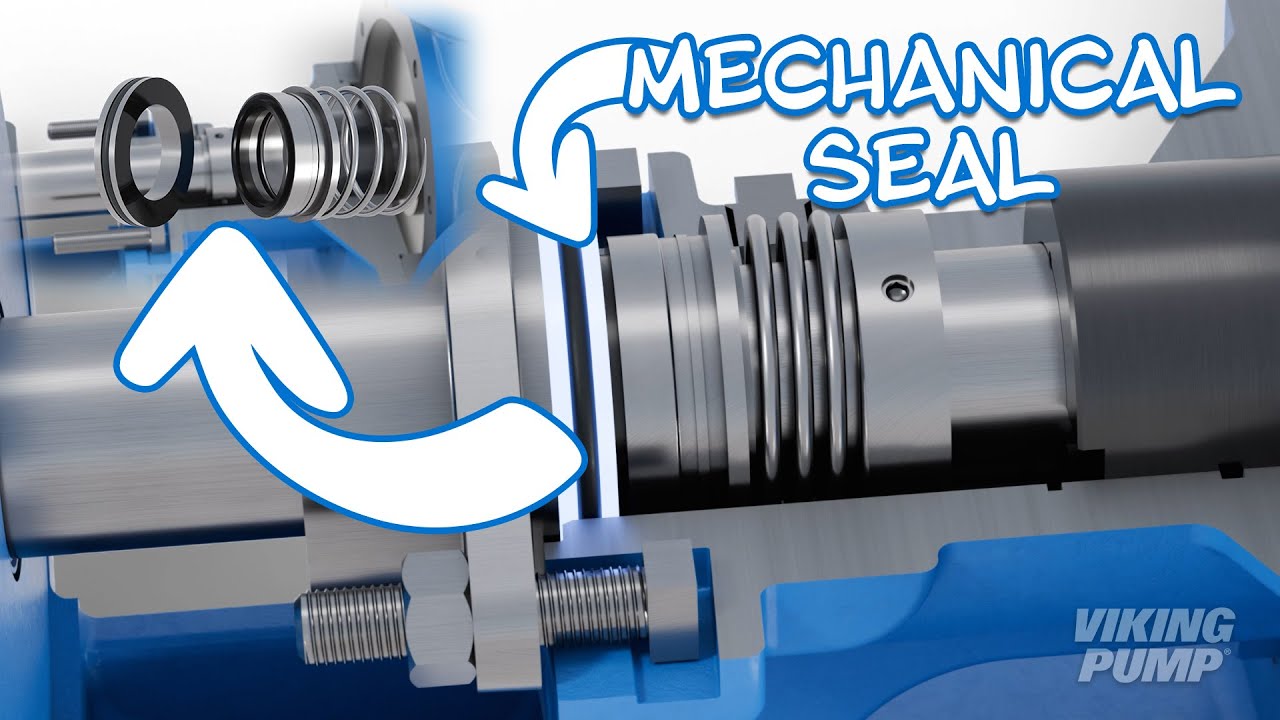
Los sellos mecánicos funcionan mediante el uso de dos superficies de sellado independientes. Una de ellas (la superficie estática) suele instalarse en la carcasa de la bomba o en el soporte, mientras que la otra (la superficie giratoria) se instala en el eje de la bomba. Estas dos superficies de sellado presentan un acabado brillante y de alta calidad. Cuando se bombea líquido, el fluido del proceso se abre paso hacia las superficies de sellado. Cuando el líquido finalmente entra en el espacio entre las caras de sellado, se crea una película hidrodinámica que forma el sellado y lubrica las caras. Este es el sellado primario. Un resorte ayuda a mantener unidas las caras de sellado para preservar el sellado primario.
Los sellados secundarios se crean mediante juntas tóricas, fuelles o juntas planas que evitan las fugas a través del casquillo o a lo largo del eje.
¿Cuáles son los diferentes tipos de sellos mecánicos?
Existen muchos tipos y diseños diferentes de sellos mecánicos. A continuación se muestran algunos ejemplos comunes de los que se utilizan en las bombas Viking:
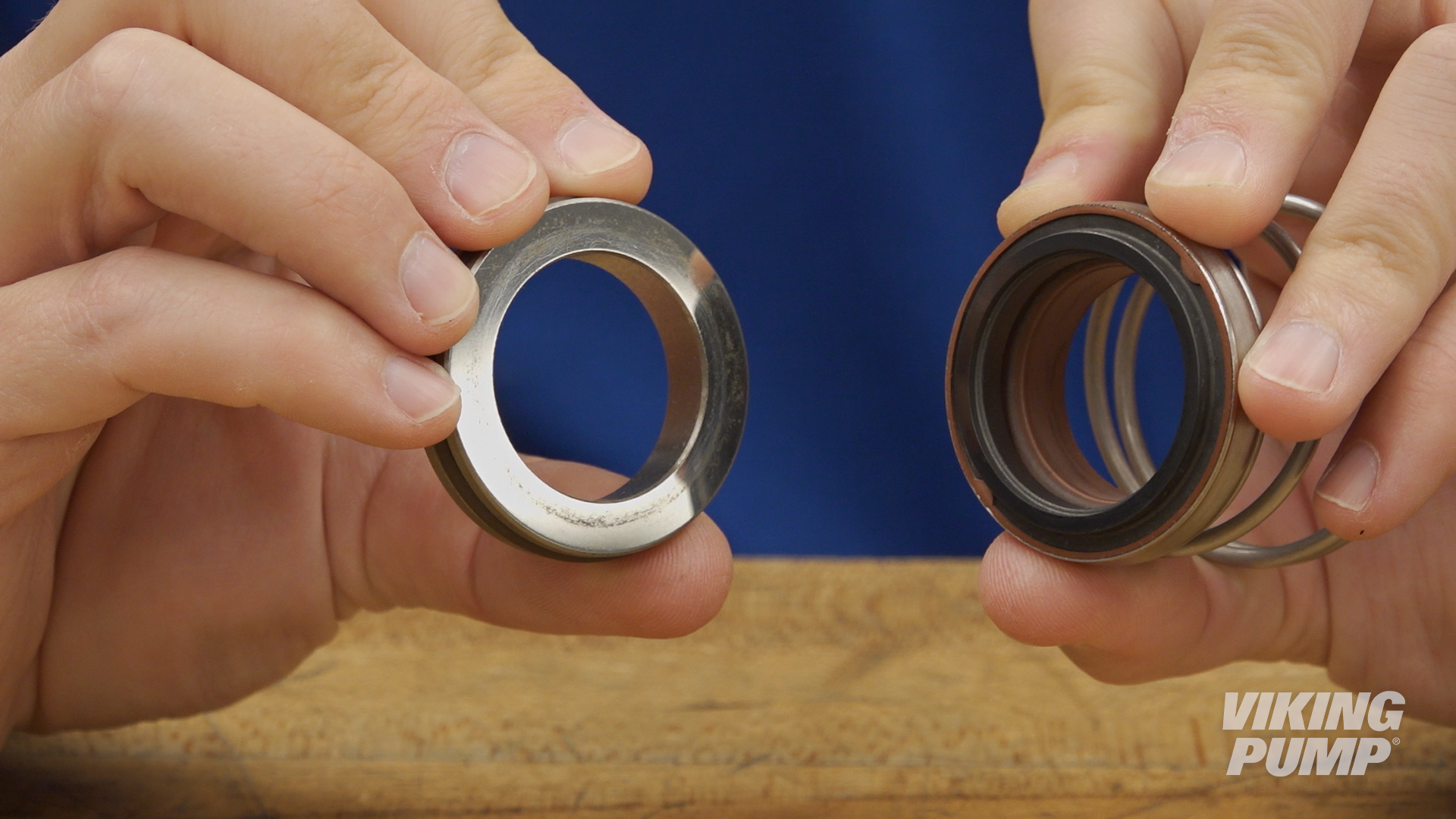
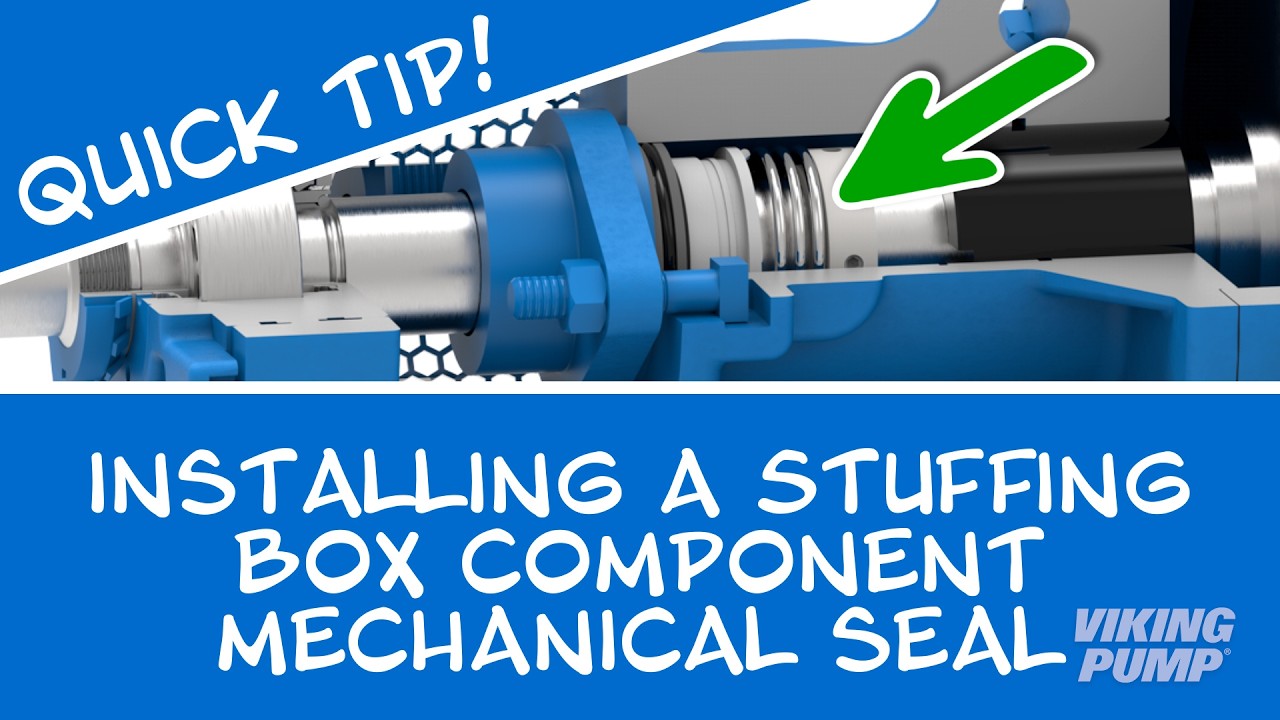
- Sello mecánico de componente: compuesto por una superficie de sellado estática y otra giratoria, unidas por un resorte. El sellado primario se crea mediante una película de líquido de proceso entre las dos superficies de sellado. Los sellados secundarios se crean mediante juntas tóricas, fuelles o juntas planas.
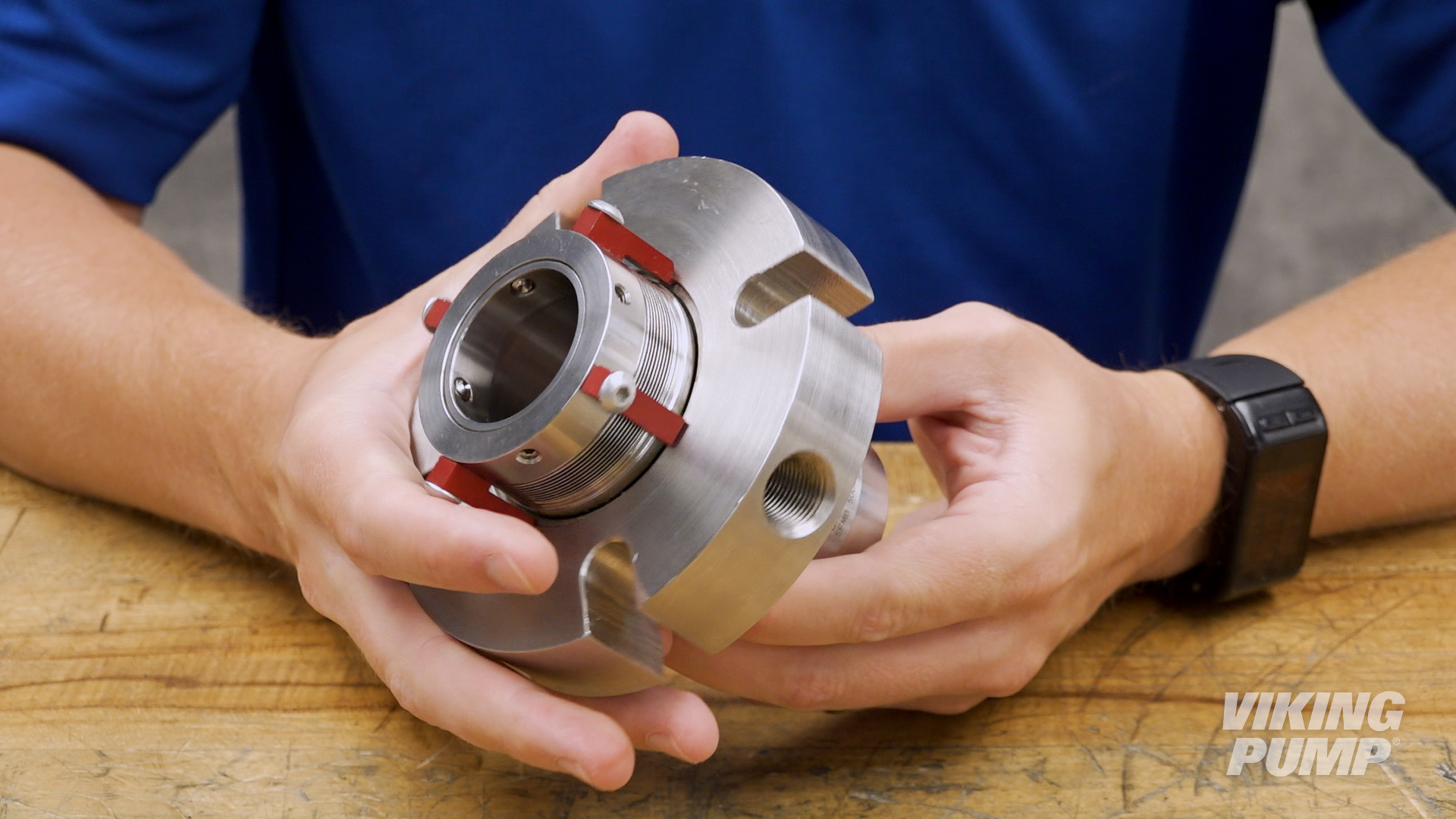
- Sello mecánico de cartucho: todas las piezas funcionales se encuentran dentro de una carcasa preconfigurada. Esto facilita considerablemente la instalación.
- Sellos mecánicos dobles: estos sellos utilizan dos sellos mecánicos en una carcasa. Se aplica un líquido de barrera en la carcasa, entre los dos sellos. Esto evita la exposición del líquido de proceso al entorno y se utiliza para líquidos tóxicos, inflamables o difíciles de sellar.
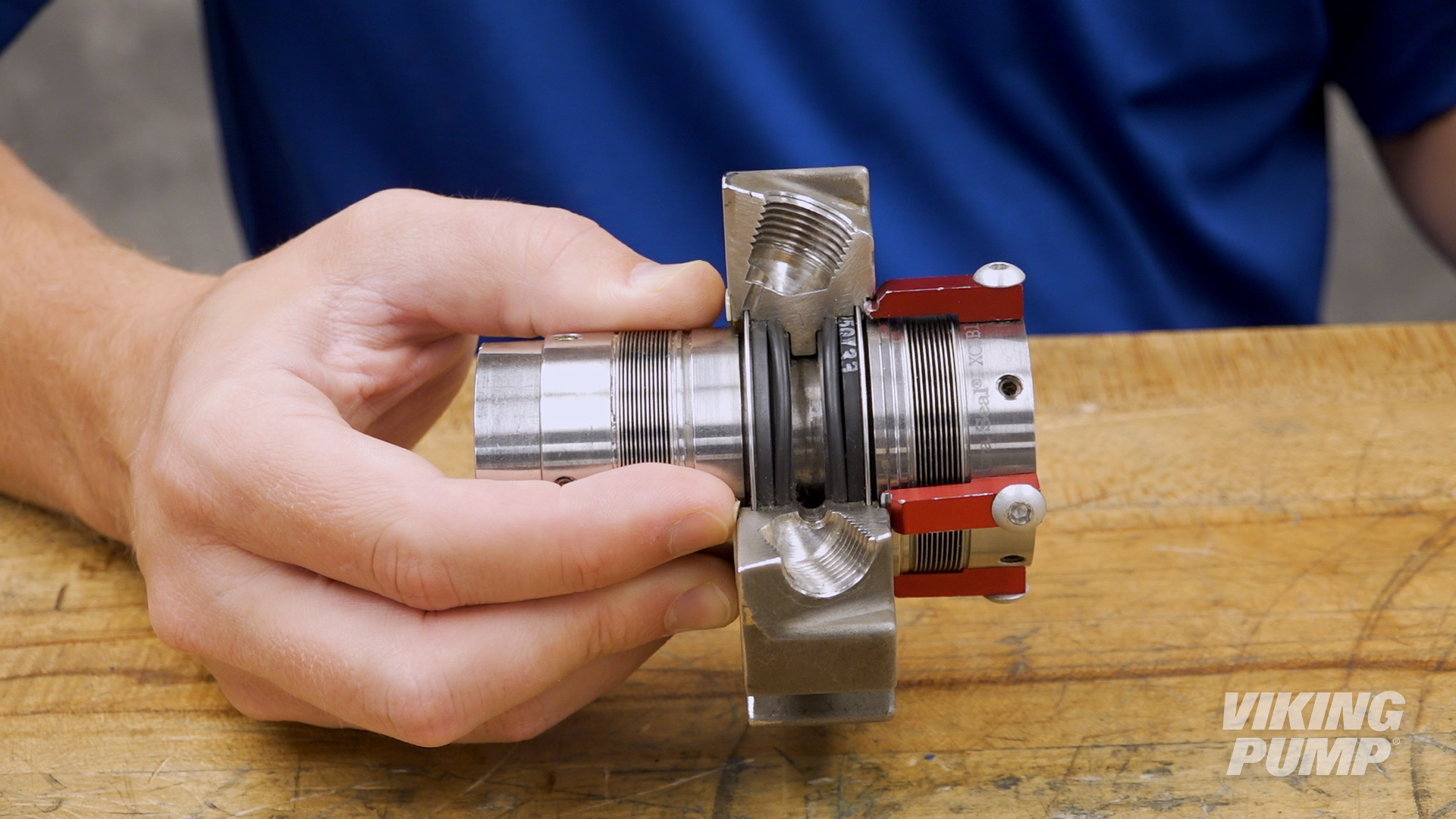
Cómo instalar un sello mecánico
A continuación se indican algunos pasos básicos para instalar un sello de cartucho. Estos pasos variarán en función del tipo de sello y de la tecnología de la bomba en la que se vaya a instalar, pero, en este ejemplo, se refieren a la instalación de un sello mecánico de cartucho en la serie 4124A™ de Viking Pump.
| 1. Coloca el manguito de instalación del sello en el eje y lubrica tanto el manguito como el eje. | 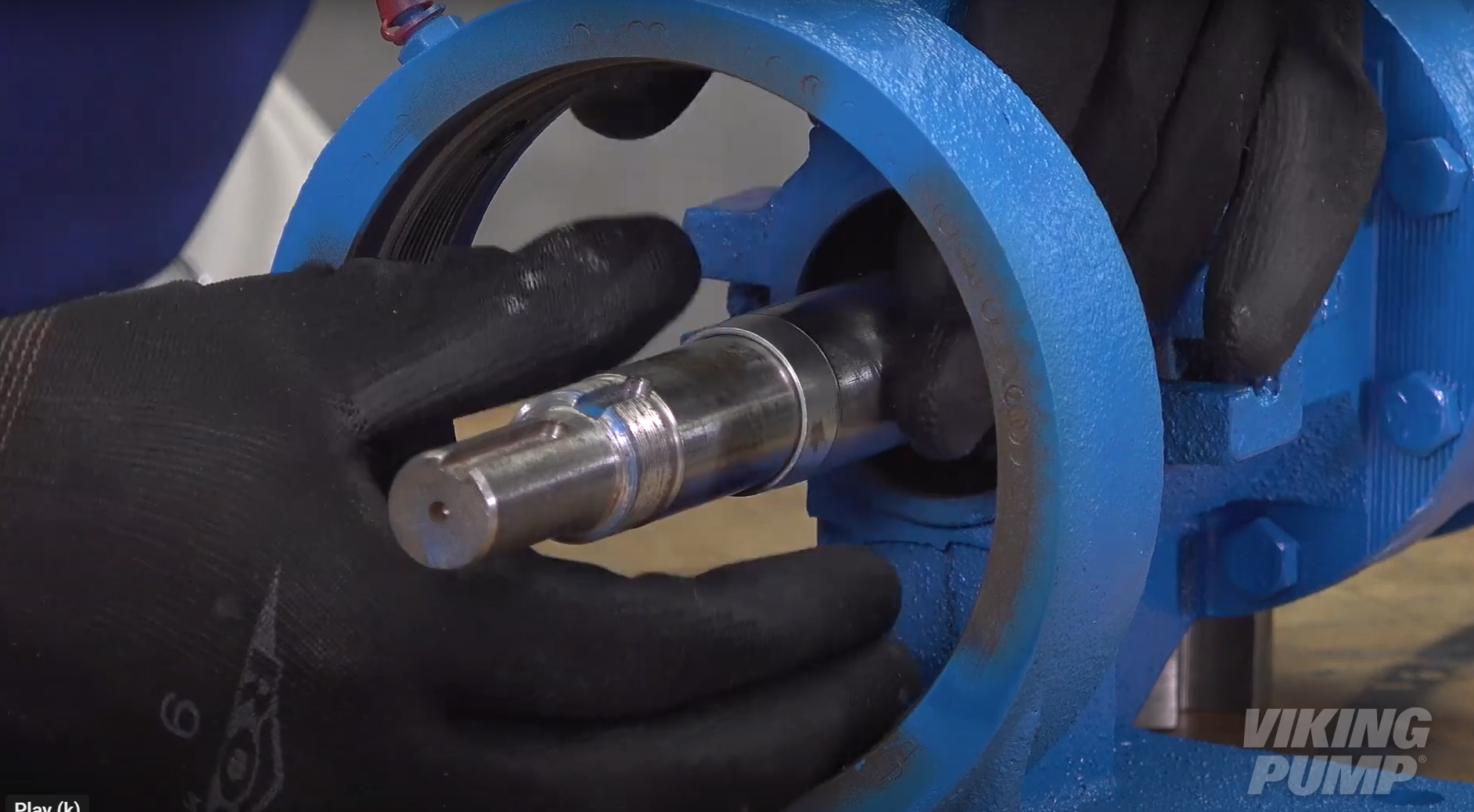 |
| 2. Desliza el conjunto del sello sobre el eje y por encima del manguito de instalación hasta que el conjunto entre en contacto con la superficie del soporte. | 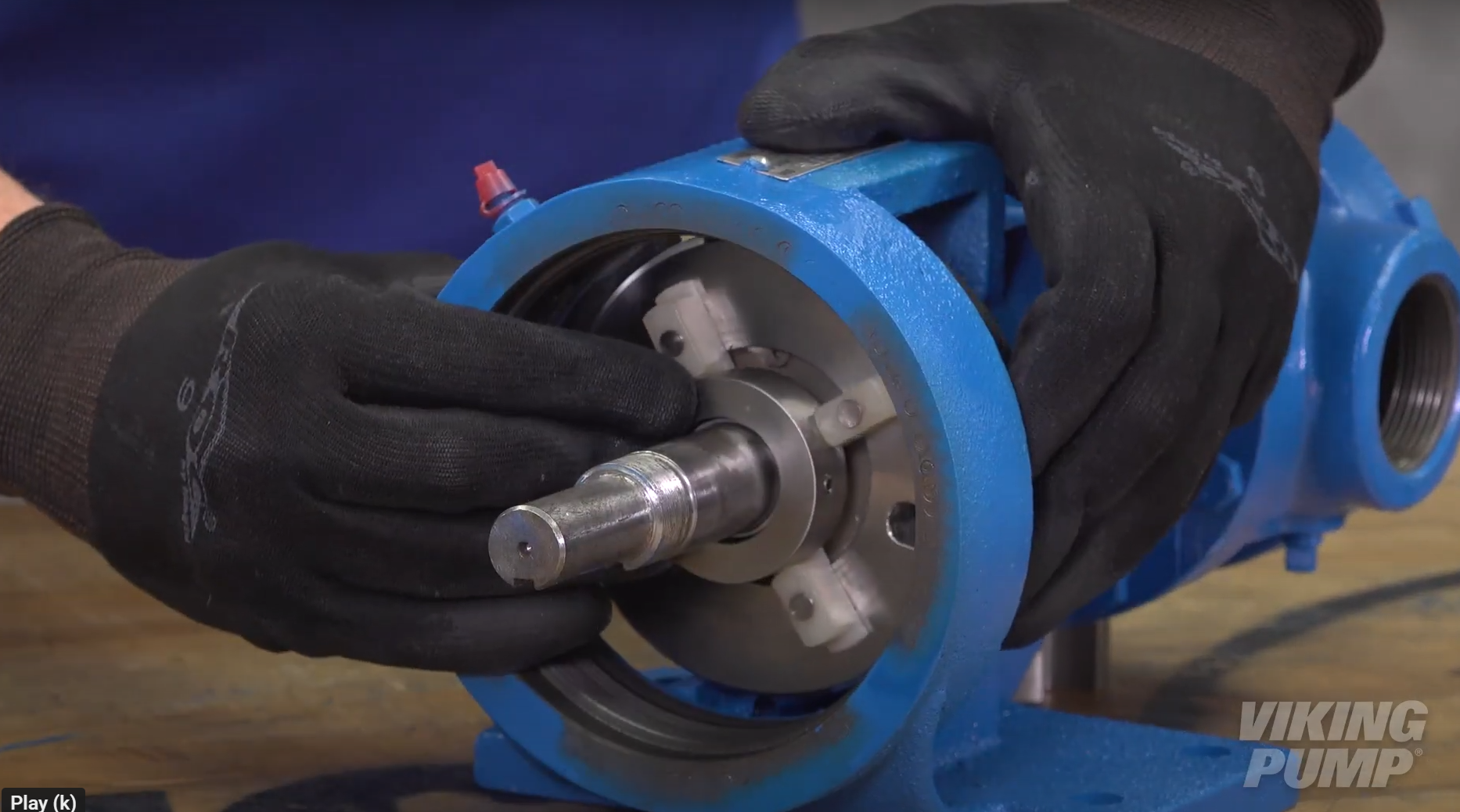 |
| 3. Retira el manguito de instalación. | |
| 4. Vuelve a montar la bomba y ajusta la holgura axial. | |
| 5. Instale los tornillos de la tapa del prensaestopas. No los apriete del todo en este momento. | 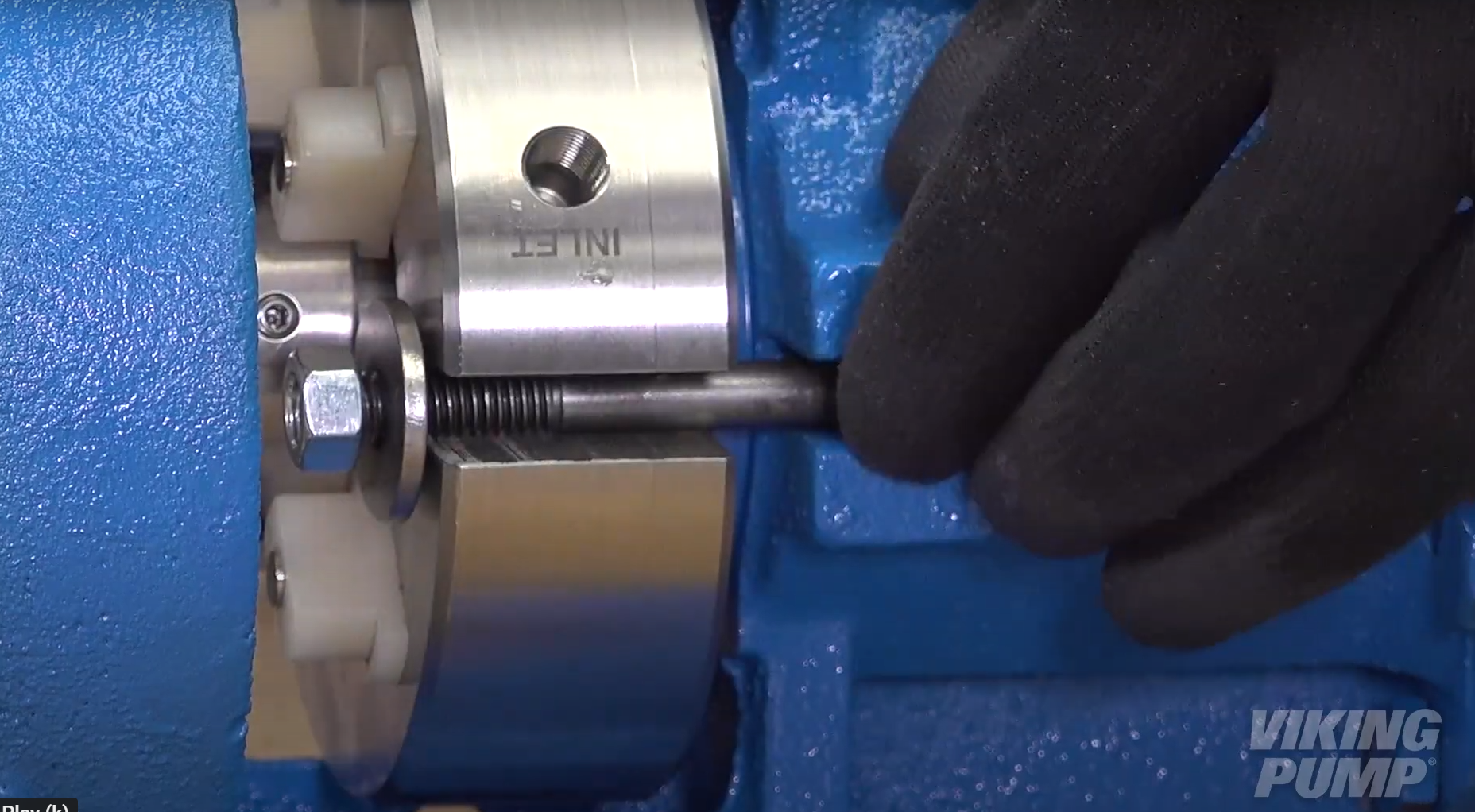 |
| 6. Gire el eje varias veces para centrar el sello. | |
| 7. Apriete los tornillos de la tapa lo suficiente como para comprimir la junta del sello. | |
| 8. Apriete uniformemente los tornillos de fijación del manguito del sello para fijar el collarín al eje. | 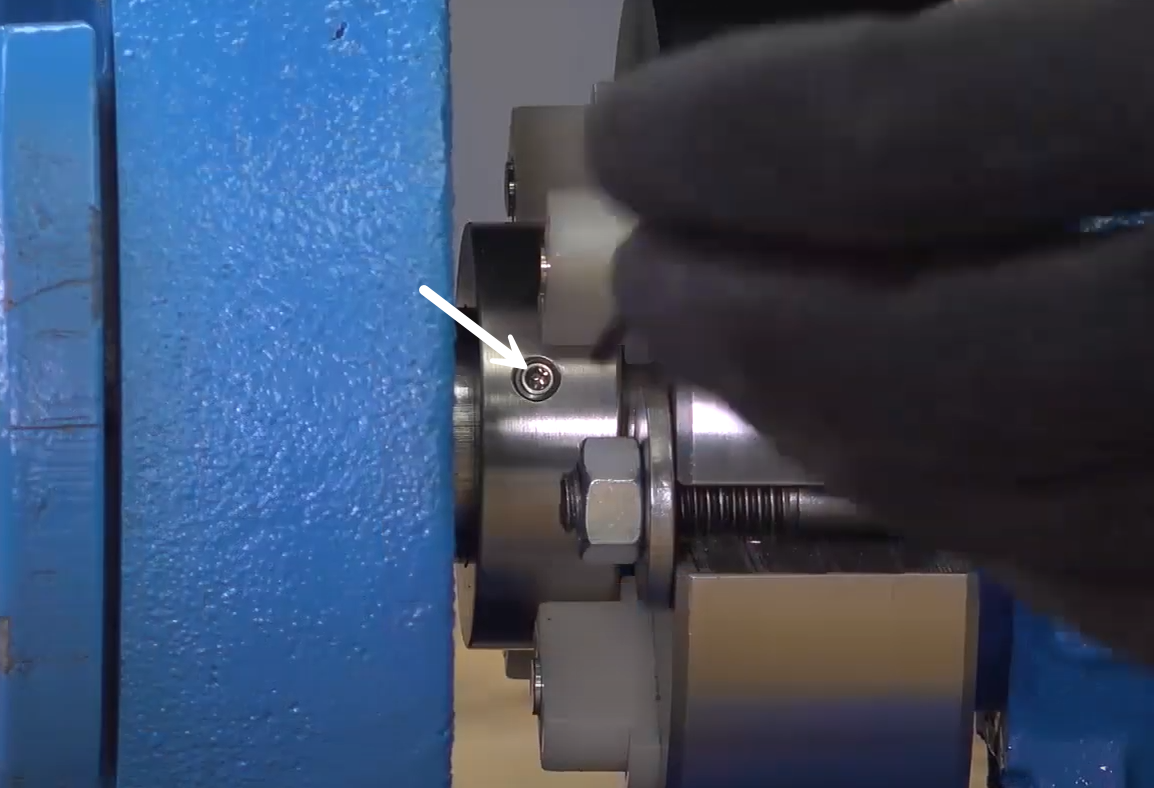 |
| 9. Gire o retire los espaciadores del sello y compruebe la rotación. | 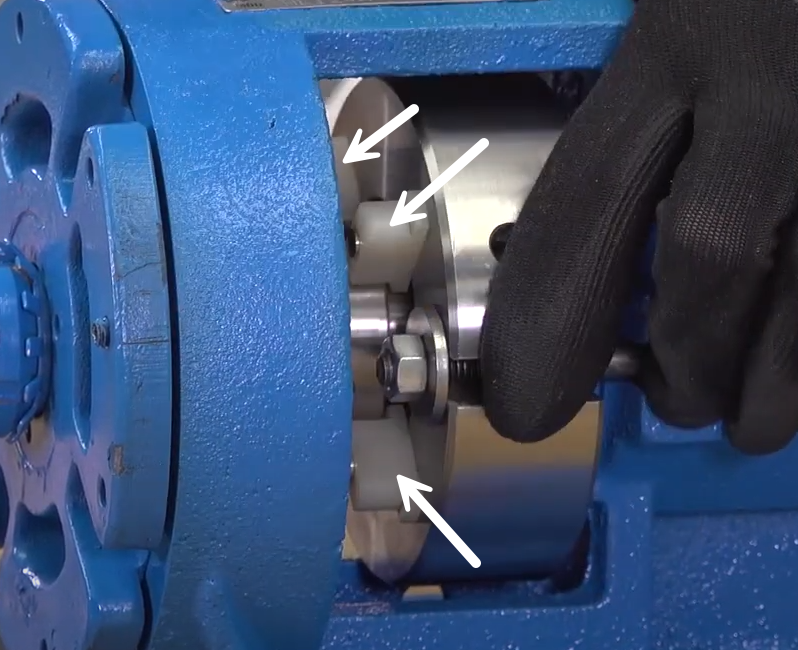 |
| 10. Vuelva a conectar el sello o tape las conexiones que no se utilicen. | |



October 06, 2025

January 07, 2025