 United Kingdom
 France
 Italy
Italy
 Germany
 Sweden
 Spain
Spain
 Canada
 India
India


Request a Quote
Request a Quote
Pharmaceuticals
Pharmaceuticals
Custom Content One
Pharmaceuticals are substances used in the diagnosis, treatment and/or prevention of diseases in humans and animals. Can also be referred to as drugs and medications.
Pumps are used to manufacture both chemically-synthesized drugs and biological-based drugs or biopharmaceuticals. Liquid characteristics vary greatly but are often viscous, shear-sensitive and extremely sensitive to bacterial contamination. Many chemically-synthesized drugs are made purely from dry powder-based materials but may use pumps to deliver coatings or they may be blended into liquid materials and pumped for oral, topical, ophthalmic, nasal, injection or other delivery methods.
Biopharmaceuticals are viscous suspensions of biological materials that are grown in bioreactors and product is extracted through a variety of clarification and purification stages.
Hygienic positive displacement pumps are well suited to handle all of these liquids and compounds due to their ability to handle a broad range of viscosities with extremely low shear so they don’t damage sensitive cell cultures. Some configurations are self-draining to eliminate holdup volume of costly materials. Their flow rates may be easily controlled using variable speed drives for metering applications.
To protect against contamination, Viking hygienic pumps meet critical hygiene requirements, including Regulatory Compliance (3-A Sanitary Standards, USP Class VI materials, ATEX and CE certifications); Sanitary Design (surface finish requirements for cleanability, CIP/SIP system integration, material compatibility); and Documentation Support (material certifications and traceability, performance validation data, installation and maintenance documentation).
Custom Content One
Viking in the Process
Viking pumps are used in chemically-derived pharmaceuticals primarily for blending active ingredients into liquid delivery methods by transferring those liquids to blending vessels and then pumping to packaging machines. Viking pumps are used in biopharma for transferring cell culture materials to bioreactors and transferring resulting cell cultures through various further processing steps like cell harvesting, lysis, recovery, clarification, and purification.
Custom Content Two
Applications
- Polymeric pill coatings
- Oral suspensions
- Topical lotions, creams and ointments
- Opthalmic, nasal and otic solutions
- Water for Injection (WFI)
- Cell culture media
- Parenteral medications
Recommended Pumps
-
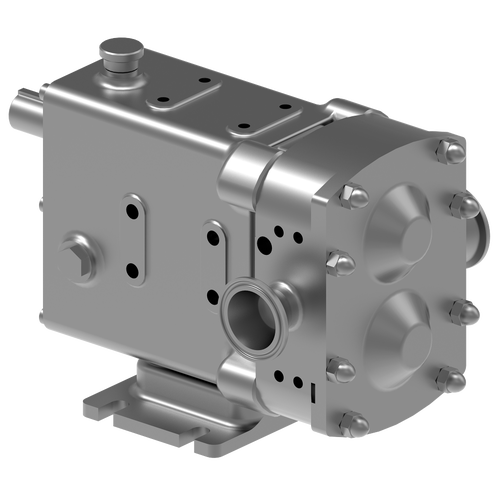
STERILOBE® SERIES
- Stainless Steel
- Mechanical Seal
- up to 753 gpm | up to 171 m3h
-
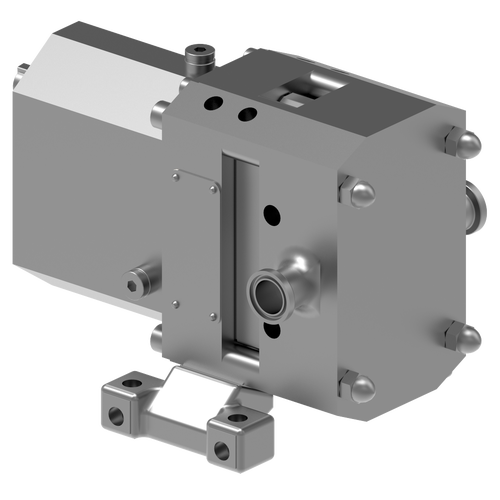
REVOLUTION® SERIES
- Stainless Steel
- Mechanical Seal
- up to 400 gpm | 1.8-91 m3h
Articles / Case Studies
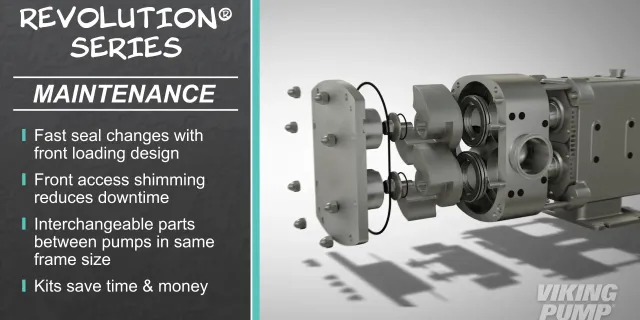
Explore the customizable features of the Revolution® Series Pumps from Viking Pump, designed for efficiency and hygiene in various applications.
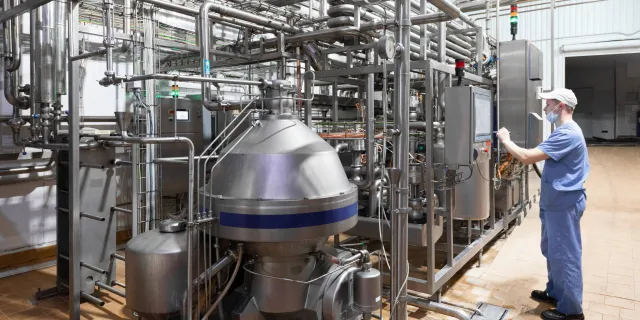
There are really four main types of suppliers of hygienic, or sanitary pumps for food and pharmaceutical applications. There is no best source for everyone – each has advantages and disadvantages depending on your situation and budget. Here are some points to consider when choosing where to source your pumps.
Videos

 Welcome to Viking Pump's Machine ShopThis is Viking Pump’s machine shop in Cedar Falls, Iowa. Continual investments in machines and people simplify and expedite production – enabling shipment for thousands of products every year.February 28, 2025
 Welcome to Viking Pump's FoundryThis is Viking Pump’s foundry in Cedar Falls, Iowa. For decades, the Viking Pump foundry has been a pillar of our vertical integration capabilities – allowing for the nimble production of castings and parts to satisfy customer needs and support new product development.February 14, 2025