 United Kingdom
 France
 Italy
Italy
 Germany
 Sweden
 Spain
Spain
 Canada
 India
India


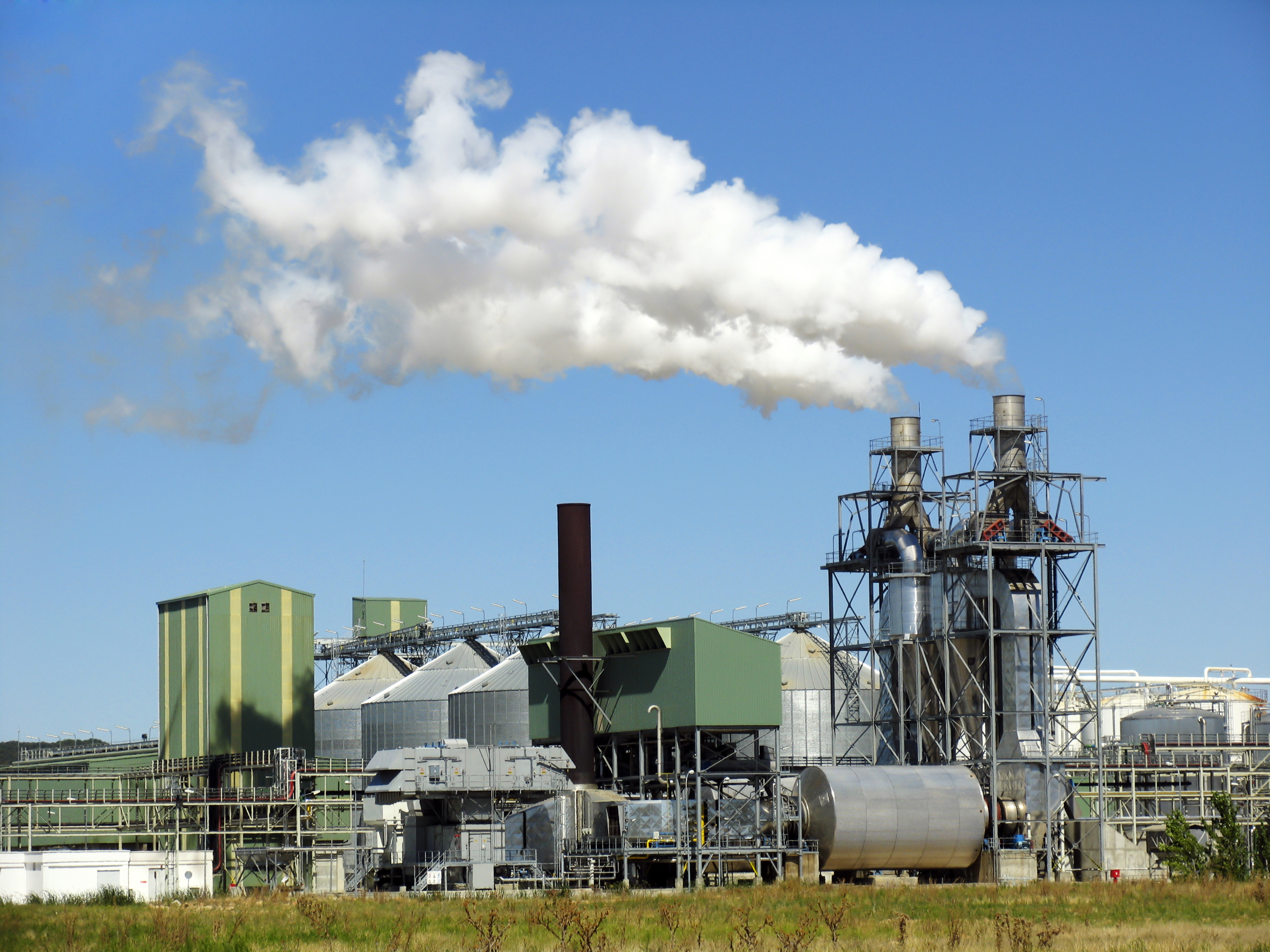
Improve Operational Efficiency with Viking Pumps
Biofuel production presents specific challenges that demand robust pumping solutions. Common obstacles include handling thin liquids like ethanol, managing corrosive materials that accelerate wear, and maintaining consistent flow despite varying system back pressure. These issues can lead to frequent maintenance stops, reduced productivity, and increased operational costs.
Whether you're unloading waste cooking oil, moving product through the esterification and transesterification process, transferring glycerin byproduct in biodiesel production, or pumping mash slurry during ethanol processing, Viking Pump's heavy duty pumps deliver the reliability you need. Our positive displacement pumps feature tight clearances that expertly handle thin liquids like ethanol, stainless steel construction that protects against corrosion, and consistent pumping performance that remains stable despite varying pressure conditions.
What Makes Viking Pumps Ideal for Biofuel Applications?
Viking Pump's positive displacement technology offers distinct advantages for biofuel handling. Our internal gear pumps maintain precise flow rates even when pumping through filters or strainers where back pressure fluctuates. The robust construction minimizes downtime and extends service life, even in demanding production environments. External gear pumps provide excellent performance for applications requiring lower flow rates or higher pressures, such as blending fuel oil additives.
Our pumps handle viscosities ranging from ethanol thin to thick slurry applications. The tight internal clearances prevent slip and maintain volumetric efficiency with low-viscosity fluids. Stainless steel options resist chemical attack from corrosive feedstocks and processing chemicals. This combination of features ensures reliable operation across all stages of biofuel production.
Recommended Pumps
Heading
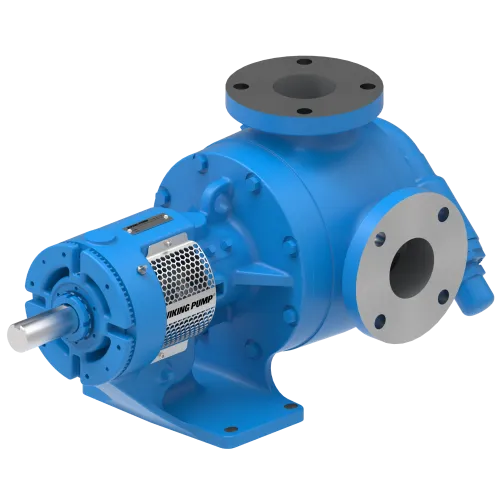
4124C Series™
- Cast Iron
- Mechanical Seal
- 15-500 gpm | 3.5-114 m3h
Heading
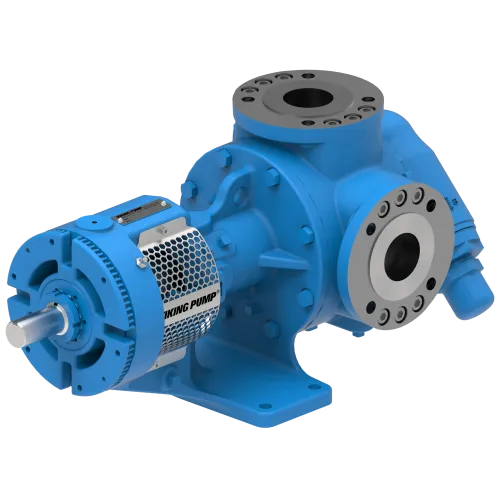
4127C Series™
- Stainless Steel
- Mechanical Seal
- up to 320 gpm | up to 73 m3h
Heading
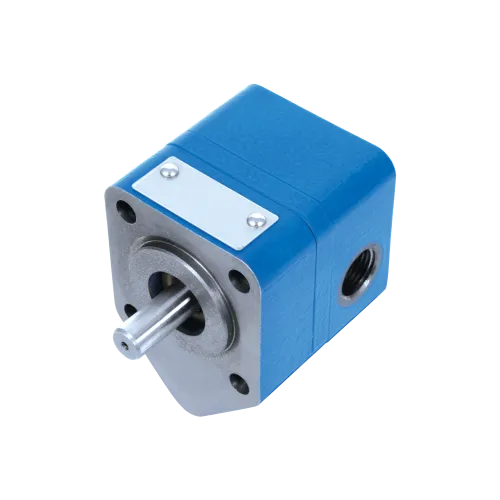
SG Series™
- Ductile Iron
- Mechanical Seal
- up to 190 gpm | up to 43 m3h
Typical Biofuel Pumping Applications
Viking Pumps serve numerous applications throughout the biofuel production process:
- Biodiesel transfer and blending
- Diesel fuel handling
- Fatty Acid Methyl Esters (FAMEs) processing
- Waste cooking oil or animal fats transfer
- Methanol circulation
- Glycerin byproduct handling
- Sodium Hydroxide (caustic soda) metering
- Ethanol production and transfer
- Gasoline blending
- Additives injection
- Mash slurry pumping
- Syrup handling
Viking Pumps in the Biofuel Production Process
Viking biodiesel transfer pumps are used extensively across all stages of biofuel production. Our cast iron internal gear pumps (4124A Series™) handle viscosities from ethanol thin to thick slurry applications. These pumps deliver consistent flow rates even with varying system back pressure, making them ideal for pumping through filters or strainers.
Stainless steel internal gear pumps (4127A Series™) excel in corrosive applications such as transferring the fatty acids used in biodiesel creation. The corrosion-resistant construction extends service life and reduces maintenance requirements. External gear pumps (SG Series™) serve applications with lower flow rates or higher pressures, such as blending fuel oil additives with precision.
From unloading waste cooking oil to moving product through the esterification and transesterification process, transferring glycerin byproduct in biodiesel production, or pumping mash slurry during ethanol processing, Viking Pump's easy to maintain pumps improve operational efficiency.
How Do Internal Gear Pumps Handle Thin Liquids?
Internal gear pumps use close tolerances between the gears and casing to create effective sealing. When handling thin liquids like ethanol, these tight clearances prevent internal slip and maintain volumetric efficiency. The pumping chambers trap liquid between the gear teeth and transport it from inlet to outlet with minimal leakage. This design ensures consistent flow rates regardless of the fluid's low viscosity, making internal gear pumps especially effective for ethanol and other thin biofuel applications.
What is Biodiesel?
Biodiesel is a renewable fuel produced from biomass that is most often blended with refined fuels to provide energy for transportation. It is made by combining alcohol with vegetable oil, animal fat, or recycled cooking grease. Biodiesel can be used in place of diesel fuel in any diesel engine and provides a cleaner-burning alternative that produces fewer emissions. The fuel is biodegradable and reduces dependence on petroleum-based fuels. As a domestically produced renewable resource, biodiesel contributes to energy security while supporting agricultural economies.
How Does Biodiesel Work?
Biodiesel works in the same way as regular diesel fuel, powering cars, trucks, boats, and other vehicles. The difference is that when biodiesel combusts in an engine it emits fewer pollutants into the environment than regular diesel. Additionally, biodiesel tends to produce fewer emissions overall than traditional diesel does because it takes less energy to produce. The chemical structure of biodiesel provides better lubricity than petroleum diesel, which can extend engine life and reduce maintenance. Modern diesel engines can run on biodiesel blends without modifications, making adoption straightforward for fleet operators.
Frequently Asked Questions About Biofuels Pumping
Why is stainless steel important for biofuel pumps?
Stainless steel construction provides superior corrosion resistance against the acids, alcohols, and caustic materials used in biofuel production. Fatty acids and methanol can attack carbon steel and cast iron, leading to premature pump failure. Stainless steel pumps maintain their integrity and performance over extended service periods, reducing replacement costs and minimizing unplanned downtime in production facilities.
Can gear pumps handle the glycerin byproduct?
Yes, Viking gear pumps effectively handle glycerin byproduct from biodiesel production. Glycerin's higher viscosity is well suited to positive displacement pumps, which maintain consistent flow regardless of viscosity changes. The smooth pumping action prevents product degradation, and the simple design allows easy cleaning between batches when processing different glycerin grades.
What pump series works best for ethanol production?
The 4124A Series™ cast iron internal gear pumps are ideal for ethanol production and transfer. Their tight clearances handle ethanol's thin consistency without excessive slip. These pumps maintain flow accuracy through varying system pressures encountered when pumping through process filters. The robust construction withstands the demands of continuous operation in high-volume ethanol plants.
How do Viking pumps reduce maintenance in biofuel facilities?
Viking pumps feature simple designs with few moving parts, reducing maintenance requirements. The pumps use durable materials matched to application requirements, extending service intervals. External bearing construction keeps process fluids separate from bearings, preventing contamination. Many models offer easy access to internal components for inspection and service without removing the pump from the pipeline.
What flow rates can Viking pumps achieve for biodiesel?
Viking pumps cover a wide flow rate range for biodiesel applications. Internal gear pumps can deliver flows from a few gallons per minute to several hundred GPM depending on the model and operating speed. External gear pumps provide precise metering for smaller flow requirements. This versatility allows facility designers to select pumps optimized for each specific application, from bulk transfer to precision blending.